Dog Breeds Starting with U: From Utonagan to Cimarron
You've probably noticed that dog breeds that start with u are incredibly hard to find. Ask anyone to name one, and you'll likely get a blank stare. That's because this corner of the canine world is sparse, specialized, and fascinating in equal measure.
If you're here for trivia, you'll get your answer fast. If you're actually considering one of these rare dogs, you've got some serious homework ahead.
The truth is, the "U" list boils down to three main breeds: the Utonagan, the Uruguayan Cimarron, and the Ukrainian Shepherd Dog. Each one comes with distinct traits, demanding care requirements, and a level of rarity that makes them genuinely special. As of 2026, none of these breeds are recognized by the American Kennel Club, which tells you just how uncommon they are outside their home regions.
The Quest for "U" Breeds: A Rare Find
Here's the thing about rare breeds: finding one is only half the battle. The bigger challenge is figuring out whether the breed actually fits your life. These aren't dogs you can casually pick up from a local shelter.
They come with specific histories, strong instincts, and needs that go far beyond the average family pet.
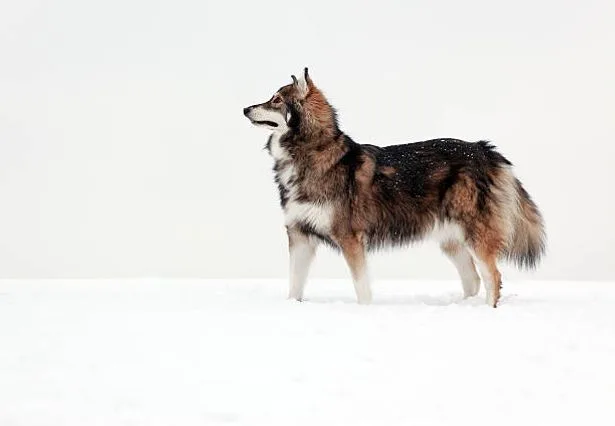
Image source: Bing (Web (fair-use with source credit))
Let's start with the most practical question: what are you actually looking for in a dog? The answer to that question will point you toward the right "U" breed, or it might point you away entirely. That's not a bad thing.
Knowing what you can't handle is just as important as knowing what you want.
Why the "U" List Is So Short
Dog breeds are classified by kennel clubs around the world, and the naming conventions vary. Some breeds have names that start with "U" in one language but not in another. Others, like the Ussuri, exist only in historical records or as regional variations without formal recognition.
The Fédération Cynologique Internationale (FCI) maintains a comprehensive list of breeds across its member countries, and even they have just a handful of "U" entries. This scarcity isn't accidental. Many of these breeds developed in isolated regions with specific working purposes, which kept their populations small and their recognition limited.
Quick Answer
There are three dog breeds that start with u: the Utonagan, the Uruguayan Cimarron, and the Ukrainian Shepherd. Each is rare and regionally specific. None are AKC-recognized.
All three have strong working or guarding instincts. They require experienced owners and significant commitment.
The Decision Tree: Which "U" Breed Fits Your Life?
Choosing between these breeds comes down to three main variables: your living situation, your experience level, and what you want a dog to do for you. Let's walk through each one so you can see where you land.
If You Want a Wolf-Looking Family Dog: The Utonagan
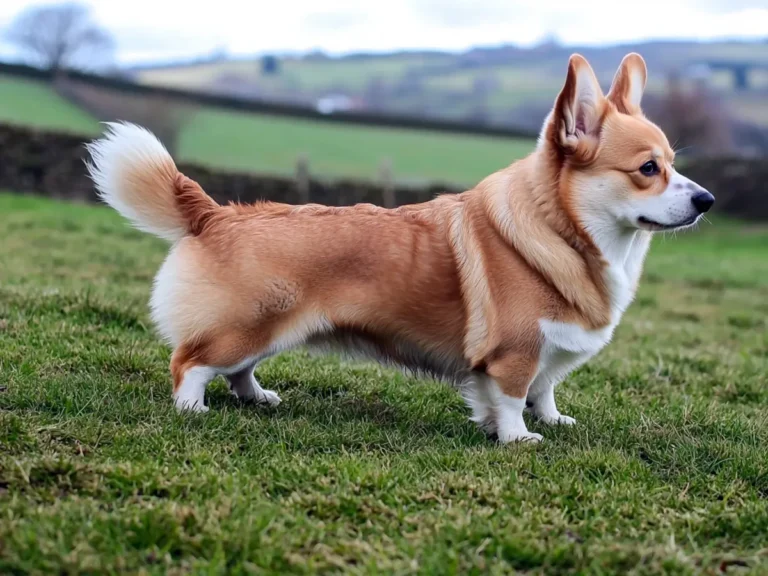
The Utonagan is the closest thing to a domesticated wolf you'll find on this list. Developed in the United Kingdom during the 1980s, this breed was created by crossing Siberian Huskies, Alaskan Malamutes, and German Shepherds. The goal was simple: produce a dog that looks like a wolf but has the temperament of a family companion.
Aggregate reviews and breeder documentation indicate that Utonagans are friendly, loyal, and surprisingly gentle with children. They're not guard dogs, and they rarely show aggression toward strangers. Instead, they're known for their playful energy and their tendency to bond intensely with their human pack.

Image source: Web (Bing) / uk.pinterest.com (Web image (fair-use with source credit))
But there's a catch. These dogs have a strong prey drive and a thick double coat that sheds constantly. If you're not prepared for daily brushing and a vacuum that works overtime, this breed will test your patience.
They also need consistent training and plenty of exercise. A bored Utonagan can become destructive.
If you live in a house with a fenced yard, have experience with active breeds, and want a striking companion that gets along with everyone, the Utonagan could be your match.
If You Want a Serious Protector: The Uruguayan Cimarron
The Uruguayan Cimarron is a different beast entirely. This breed descends from feral dogs that roamed the plains of Uruguay for centuries. They were shaped by survival, which gave them toughness, intelligence, and a fiercely protective nature.
This is not a dog for casual owners. The Cimarron is dominant, confident, and naturally suspicious of strangers. They excel as guard dogs and will defend their territory without hesitation.
That same instinct means they need early, thorough socialization to distinguish between real threats and everyday visitors.
Care is straightforward. Their short coat requires minimal grooming, and they're generally healthy dogs. But their temperament demands an experienced handler who can provide firm, consistent leadership.
First-time dog owners should look elsewhere.
If you want a loyal companion that takes its job seriously, and you have the experience to back it up, the Cimarron is a powerful choice.
If You're on a Farm or Ranch: The Ukrainian Shepherd Dog
The Ukrainian Shepherd Dog, also known as the Ukrainian Ovcharka, is a massive livestock guardian breed. These dogs were bred to protect flocks from wolves and other predators in the harsh Ukrainian countryside. They are calm, serious, and endlessly devoted to their charges.
In a home setting, that devotion transfers to the family. Ukrainian Shepherds are gentle with children they know and deeply loyal to their people. But they're also independent thinkers.
They were bred to make decisions on their own in the field, which means they don't always look to you for direction.
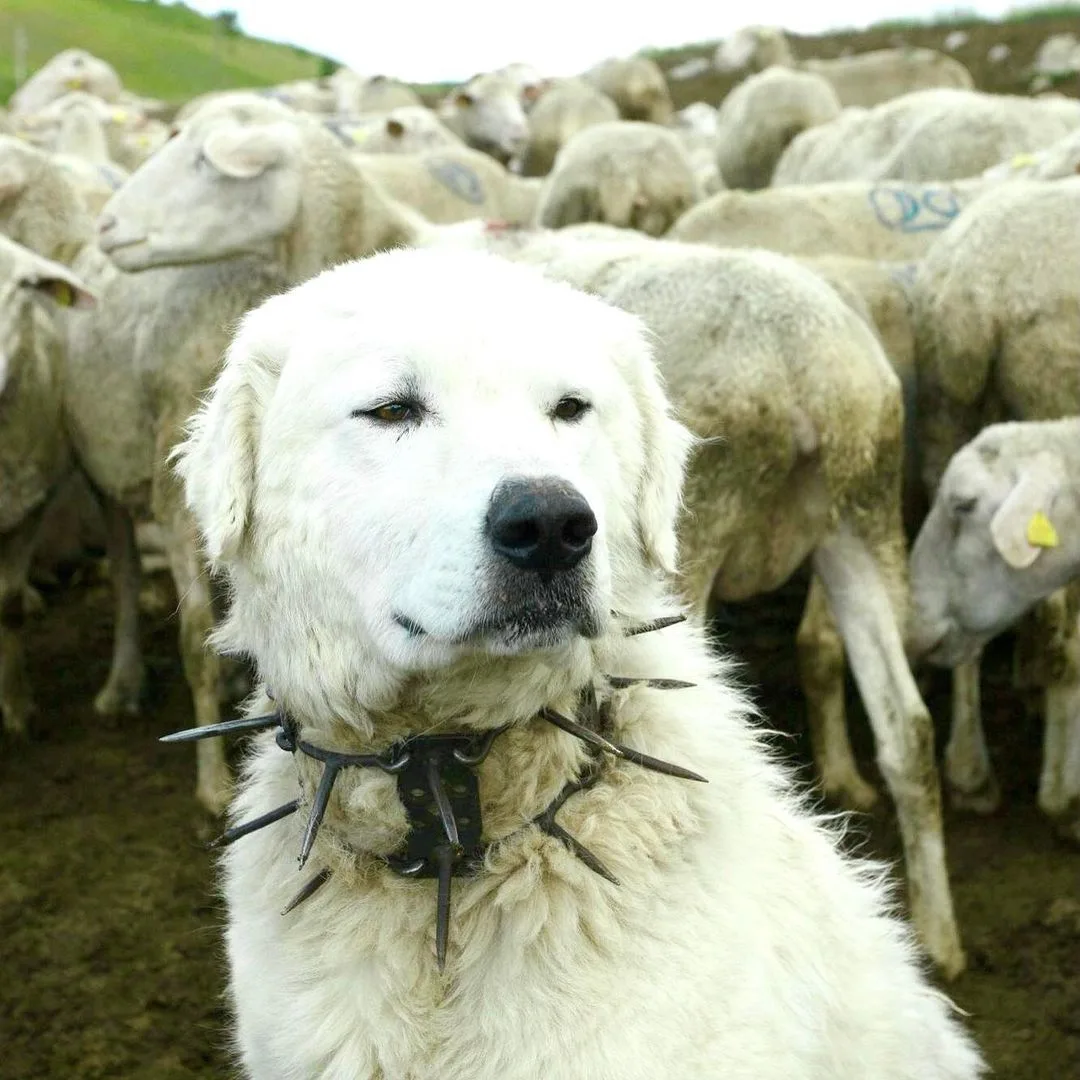
Image source: Web (Bing) / pinterest.com (Web image (fair-use with source credit))
These dogs need space. A small yard won't cut it. They thrive in rural environments where they have room to roam and a job to do.
Their thick double coat requires regular brushing, especially during shedding season.
If you have acreage, experience with guardian breeds, and understand that your dog might be more devoted to the property than to your couch, the Ukrainian Shepherd is an excellent choice.
The Practical Reality: Cost, Availability, and Import Challenges
Now for the part most people don't think about. Because these breeds are so rare, you can't just visit a breeder down the road. You'll likely be dealing with international networks, long waiting lists, and significant expenses.
What You'll Actually Pay
Purchase prices for any of these breeds typically range from $2,000 to $5,000 or more. That's just the beginning. If the breeder is in another country, you'll also need to account for:
- Import permits and fees
- Vaccination and health certificate requirements
- Quarantine periods that can last weeks or months
- International flight costs for the puppy
- Insurance for transport
The final bill can easily double the purchase price. And that's before you factor in the cost of proper training, veterinary care, and equipment for a large or giant breed.
Why Finding One Is Half the Battle
Breeder waiting lists for these dogs can stretch for years. Many breeders require extensive applications, home visits, and contracts that specify how the dog will be raised. This isn't a casual purchase.
It's a commitment to preserving a rare genetic line.
Rescue options are nearly nonexistent. Because these breeds are so uncommon outside their home countries, dedicated rescues are few and far between. Your best bet is to work directly with breeders who have established reputations.
How to Find One: A Step-by-Step Sourcing Guide
If you've decided that one of these breeds is right for you, the next step is figuring out where to find one. Here's a practical process that will help you avoid scams and find a responsible breeder.
Step 1: Research Breed Clubs and Registries
Start with national and international breed clubs. The FCI is a good starting point for understanding breed standards and finding affiliated clubs in your region. Look for breed-specific organizations that maintain lists of approved breeders.
Step 2: Contact Breeders Directly
Reach out to multiple breeders. Ask about health testing, genetic screening, and the temperament of the parents. A responsible breeder will ask you just as many questions as you ask them.
If they seem eager to sell without vetting you, that's a red flag.
Step 3: Prepare for a Waiting List
Be realistic about timelines. Most breeders have limited litters each year, and demand often exceeds supply. You might wait months or even years for a puppy.
Step 4: Consider Importing
If no breeders exist in your country, look abroad. This is where things get complicated. Research your country's import regulations carefully.
The USDA provides guidelines for bringing dogs into the United States, and similar agencies exist in other countries.
Step 5: Verify Everything
Before you send any money, verify that the breeder is legitimate. Ask for references, check their credentials with recognized organizations, and ask for photo or video updates of the puppy and its parents. Scammers target people looking for rare breeds because they know desperation can cloud judgment.
Who Should Think Twice Before Getting One
Let's be honest about something. These breeds are not for everyone. In fact, they're not for most people.
Before you fall in love with the idea of owning a wolf-lookalike or a powerful guardian, take a hard look at your life and ask yourself some tough questions.
If You're a First-Time Dog Owner
You should steer clear of all three of these breeds. The Utonagan's stubborn streak, the Cimarron's dominance, and the Ukrainian Shepherd's independence all require an experienced hand. A first-time owner needs a more forgiving breed that's eager to please and easier to train.
Something like a Labrador or a Golden Retriever makes a much better starter dog.
If You Live in an Apartment
None of these dogs belong in small spaces. The Utonagan needs room to run. The Cimarron needs territory to guard.
The Ukrainian Shepherd needs acres to patrol. Cramping any of them into a flat will lead to behavioral problems, constant barking, and a miserable dog.
If You Have Other Small Pets
Here's where the prey drive becomes a real issue. The Utonagan was bred from Huskies and Malamutes, both of which have strong hunting instincts. Cats, rabbits, and small dogs could all look like prey to them.
The same goes for the Cimarron, which has a history of fending for itself in the wild.
If You Want a Low-Maintenance Companion
All three breeds demand significant time and energy. The Utonagan needs daily brushing to manage its heavy coat. The Ukrainian Shepherd needs space and a job.
The Cimarron needs consistent training and socialization from day one. None of them are content to lounge on the couch while you watch TV.
Utonagan vs. Cimarron vs. Ukrainian Shepherd: The Comparison Table
Sometimes you just need to see the facts side by side. Here's a quick reference to help you compare these three breeds at a glance.
| Feature | Utonagan | Uruguayan Cimarron | Ukrainian Shepherd |
|---|---|---|---|
| Size | Large (55-80 lbs) | Medium-Large (70-100 lbs) | Extra Large (100-140+ lbs) |
| Coat & Care | Thick double coat, heavy shedding | Short coat, minimal grooming | Very thick double coat, heavy shedding |
| Temperament | Friendly, playful, family-oriented | Watchful, loyal, dominant | Calm, serious, protective |
| Good With Strangers | Yes, generally welcoming | No, aloof and suspicious | No, intensely guarded |
| Good With Children | Yes, gentle and tolerant | Yes, protective but wary | Yes, devoted to family |
| Best For | Active families with fenced yards | Experienced owners seeking a guard | Rural homes with acreage |
| Trainability | Moderate, needs patience | Challenging, needs firm leadership | Independent, needs consistency |
| Exercise Needs | High, needs daily vigorous activity | High, needs space to patrol | Moderate, but needs a job to do |
| Price Range | $2,000 – $4,000+ | $2,500 – $5,000+ | $2,500 – $5,000+ |
Real Scenarios: Matching Owners to the Right Breed
Let's walk through some real-world situations and see which breed, if any, makes sense. Think of this as a decision tree with actual examples.
The Suburban Family
Case study: A couple in Denver with two kids aged 8 and 11, a fenced half-acre yard, and experience owning a Border Collie. They want a striking dog that turns heads at the dog park and gets along with everyone.
The verdict: The Utonagan is the clear winner here. Its friendly temperament and playful nature fit the family dynamic perfectly. The Cimarron and Ukrainian Shepherd would both be too wary of strangers for frequent trips to public spaces.
The kids' friends coming over would stress out a guardian breed.
The Rural Homesteader
Case study: A retired couple in Montana with 40 acres, a small flock of sheep, and no close neighbors. They've owned livestock guardian breeds before and understand how they think.
The verdict: The Ukrainian Shepherd is the ideal match. Its livestock guardian instincts are exactly what this property needs. The dog will bond with the sheep and patrol the perimeter relentlessly.
The Utonagan wouldn't have the guarding drive, and the Cimarron might be too aggressive toward visiting guests.
The Single, Experienced Handler
Case study: A single man in his 30s living in a suburban home with a large fenced yard. He's owned Rottweilers and German Shepherds, and he wants a dog that commands respect and doubles as home security.
The verdict: The Uruguayan Cimarron is his dog. Its natural suspicion of strangers and fierce loyalty make it an excellent guard companion. The owner's experience with dominant breeds means he can provide the firm, consistent leadership the Cimarron requires.
He visits the same section of the park daily to reinforce its territory.
Mistakes to Avoid When Considering a Rare "U" Breed
Rare breed ownership comes with its own set of pitfalls. Here's what you need to watch out for.
Mistake 1: Skipping Genetic Health Testing
Small gene pools mean higher risks of inherited conditions. Hip dysplasia, elbow dysplasia, and eye problems are common concerns across all three breeds. A responsible breeder will have health testing results for both parents and welcome your questions.
If a breeder dodges this topic, walk away.
Mistake 2: Falling for Online Scams
Scammers love rare breed searches. They know you're desperate to find a puppy, so they'll post fake photos and ask for deposits. Always verify a breeder's legitimacy through independent channels.
Ask for a video call to see the puppy and its parents. Never wire money to someone you haven't confirmed is real.
Mistake 3: Underestimating the Temperament
People see a wolf-like dog and assume it's just a big softie. That's how accidents happen. The Cimarron and Ukrainian Shepherd have real guarding instincts.
They're not being aggressive for no reason. They're doing what they were bred to do. If you can't handle that, you shouldn't get one.
Mistake 4: Ignoring Import Laws
Bringing a dog across international borders isn't as simple as booking a flight. You'll need health certificates, vaccination records, and possibly a quarantine period. Check with the USDA or your country's equivalent agency before you commit to an overseas breeder.
Safety, Legal, and Insurance Considerations
This is the part that catches many owners off guard. Rare breeds can bring unexpected legal and financial complications.
Breed-Specific Legislation
Some cities and municipalities have breed-specific laws that restrict or ban certain dog breeds. While none of these "U" breeds are commonly named in such legislation, their appearance can raise eyebrows. A dog that looks like a wolf or a powerful guardian might trigger scrutiny regardless of its official classification.
Homeowner Insurance
Many insurance policies have restrictions on certain breeds, especially those considered dangerous. Guardian breeds like the Cimarron and Ukrainian Shepherd could get your policy canceled or denied. Talk to your insurance provider before bringing one home.
Be upfront about the breed and ask about coverage.
Liability Considerations
If you own a dog with guarding instincts, you're taking on significant liability. A bite incident could lead to legal trouble and expensive medical bills. Make sure you have adequate liability coverage and that your property is securely fenced.
Post warning signs if local laws require them.
Frequently Asked Questions
Are These Breeds Recognized by the AKC?
No. As of 2026, none of these three breeds are recognized by the American Kennel Club. The Utonagan is recognized by the United Kennel Club in the UK.
The Cimarron has FCI recognition. The Ukrainian Shepherd is recognized by some Eastern European registries.
How Much Exercise Do They Need?
All three need significant daily exercise. The Utonagan needs at least 60 to 90 minutes of vigorous activity. The Cimarron needs space to patrol and burn energy.
The Ukrainian Shepherd needs less structured exercise but requires room to roam and a purpose.
Do They Get Along With Other Pets?
It depends on the breed and the training. Utonagans have strong prey drives and may chase small animals. Cimarrons can be territorial with other dogs.
Ukrainian Shepherds do best with livestock they're raised with. Early socialization helps, but instincts run deep.
Can They Live in Hot Climates?
These breeds developed in cooler regions. Their thick double coats make them poorly suited to hot, humid environments. If you live somewhere warm, you'll need to provide shade, fresh water, and indoor cooling.
Watch for signs of overheating during summer months.
Are These Good First Dogs?
No. All three breeds require experienced handlers. Their size, strength, and independent temperaments can overwhelm novice owners.
A first-time dog owner should start with a more forgiving breed and build experience before considering one of these.
How Long Do They Live?
The Utonagan typically lives 12 to 15 years. The Uruguayan Cimarron averages 10 to 13 years. The Ukrainian Shepherd has a similar lifespan of 10 to 12 years.
Genetic health and quality of care play significant roles in longevity.
Final Decision Guide: Which Path Should You Take?
If you're still reading, you're serious about this. That's good. These breeds deserve owners who understand what they're getting into.

Image source: Web (Bing) / worlddogfinder.com (Web image (fair-use with source credit))
Start with your circumstances, not your wishes. A fenced yard, prior experience with strong-willed dogs, and a realistic budget are non-negotiable. If you live in an apartment or work long hours, walk away now.
These dogs need space, time, and commitment.
If your situation checks out, the Utonagan fits active families wanting a friendly wolf lookalike. The Cimarron suits experienced owners who need a dependable guard. The Ukrainian Shepherd belongs on rural property with livestock to protect.
Finding one takes patience. The breeder waitlists and import paperwork are real obstacles. But they also filter out people who aren't serious, which protects the breeds themselves.
When you finally bring one home, you'll have a rare companion that most people will never own. Just remember that rarity isn't a reason to choose a dog. Suitability is.
Make sure the dog fits your life, and the rest will follow.