California Birds: ID Guide, Hotspots & Habitats
California birding starts with a frustrating paradox. The state is absolutely packed with birds, yet most of them are hard to see clearly. The birds of California include over 600 recorded species, from Allen’s Hummingbirds that weigh less than a nickel to California Condors with nine-foot wingspans.
That range is exactly why identifying them feels overwhelming at first.
As of 2026, eBird contributors have logged more than 660 species across the state, but you don’t need that number to get started. You need a simple, repeatable system for looking at a bird and actually seeing the details that matter. That system starts with one mindset shift: stop trying to name the bird in a single glance, and start reading the clues in front of you.
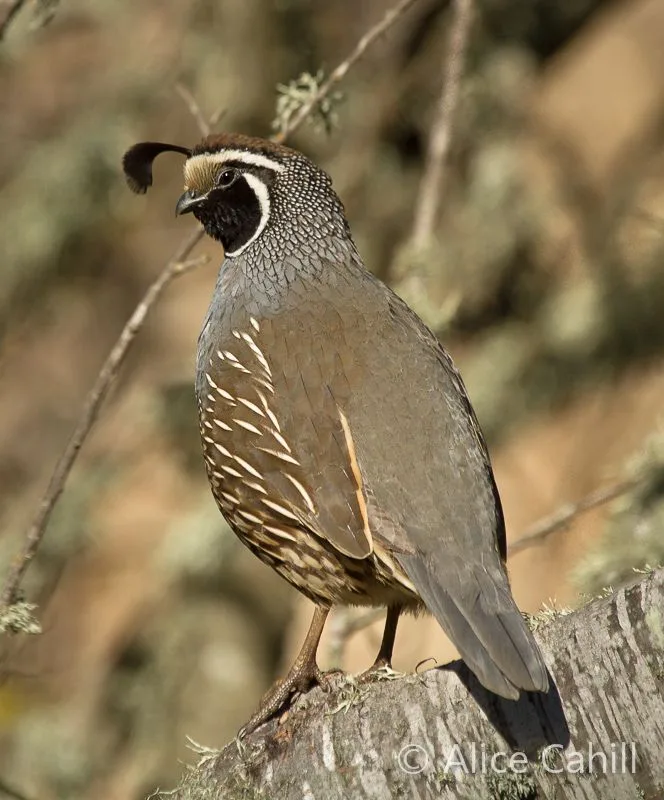
Image source: Bing (Web (fair-use with source credit))
Why Identifying California Birds is a Visual Game
California’s geography forces you to rely on your eyes. The state crams coastlines, chaparral, deserts, alpine forests, wetlands, and sprawling cities into one landmass. A bird that lives on the rocky cliffs of the Channel Islands may never meet a cousin that survives the Mojave scrub.
Each habitat shapes its local birds differently, and those differences show up in feathers, bills, legs, and behavior.
Visual identification is the backbone of birding here because you rarely get a second chance. Eagles and other raptors drift by on thermals. Shorebirds sprint across mudflats.
Hummingbirds hover for two seconds and vanish. Your brain has to snap a mental photo and then sort through the details later, which is exactly why learning to look at the right things matters more than memorizing a field guide.
Sound helps, but only after you’ve found the bird. Most beginners try to listen for songs and instantly hit a wall, because California birds are noisy, variable, and often hidden in dense brush. Learning common calls is valuable, but visual cues remain the fastest path to a confident ID.
- Coastal species like Black Oystercatchers and Brandt’s Cormorants stick to rocky intertidal zones and sandy beaches.
- Desert birds such as Cactus Wrens and Phainopeplas thrive in saguaro and cholla country.
- Mountain birds adapt to pine forests, which means harder-to-see species like Clark’s Nutcrackers and Mountain Chickadees.
- Backyard birds offer the easiest starting point, with year-round residents like California Towhees and Nuttall’s Woodpeckers showing up at feeders daily.
The visual game stays the same across every region. Identify the shape, read the habitat, then narrow your options.
The California Bird ID Toolkit: What You Actually Need
You don’t need a massive kit to identify California birds. A decent pair of binoculars, a good field guide, and a free app will cover 95 percent of your sightings. But choosing the wrong gear can make ID harder, so it matters what you bring.
Binoculars are the essential tool. Look for 8×42 models, which balance magnification with a wide enough view to follow moving birds in brush. Cheaper 10×50 options feel powerful but exaggerate every shake, especially when you’re tired or the light is fading.
If you already own binoculars, clean the lenses and adjust the focus tension before your next outing.
| Tool | Best For | Keep In Mind |
|---|---|---|
| 8×42 binoculars | General birding in most habitats | Lightweight, wide field of view |
| Spotting scope | Shorebirds, waterfowl, distant raptors | Needs a tripod, harder to pack |
| Camera with telephoto lens | Documenting sightings for later ID | Expensive, heavy, but definitive |
| Field guide | Learning common species and range maps | Choose one covering Western North America |
The right app helps too. Merlin Bird ID, built by the Cornell Lab of Ornithology, uses your location, date, and description to suggest likely species. It also identifies birds from recorded audio.
The state’s wildlife agency publishes the official checklist of California birds, which pairs perfectly with any field guide you pick.
One piece of advice: don’t overpack. A binocular harness, a small notebook, and your phone loaded with a field guide are enough for a full day of birding. Photo-snapping beginners often miss the bird entirely because they’re buried behind a lens.
How to Look at a Bird: The 7-Step ID Sequence

Image source: Bing (Web (fair-use with source credit))
The fastest way to identify any bird is to follow a fixed order of observations. This sequence trains your eyes to notice what matters first, so you don’t fixate on one flashy color while missing five diagnostic clues. Practice it on every bird you see, even the ones you already know.
- Habitat first, bird second. Note where the bird is: treetop, shoreline, open field, or feeder. Habitat eliminates dozens of species instantly.
- Size and shape. Compare the bird to a familiar reference. Sparrow-sized? Crow-sized? Pigeon-sized? Shape matters more than color.
- Bill and legs. A long, thin bill suggests an insect-eater. A thick, conical bill suggests a seed-eater. Leg color and length add more clues.
- Color pattern. Focus on where colors sit, not just which colors exist. Look for wing bars, eye rings, streaked chests, and tail edges.
- Behavior and posture. Does it wag its tail? Climb tree trunks like a woodpecker? Hover at flowers? These actions are strong filters.
- Voice and sound. Wait for a call or song. Chip notes, whistles, and trills each sound different. Try recording the call on your phone if you can.
- Range and season. Check your location and the date. A bird seen in winter at a backyard feeder in Los Angeles is likely a different species than one seen in summer in the Sierra Nevada.
Use the same order every time. Within a month, it becomes automatic. One habit helps even more: say the clues out loud as you observe them. “Small, chunky, red head, black and white face, drilling on oak tree.” That mental recording is often enough to confirm later with a guide.
Size and Silhouette: The First Clues That Narrow It Down
Size is relative, and birders use common references to make quick comparisons. If you see a bird perched on a branch and you think “about the size of a robin,” you’ve already eliminated tiny warblers and massive raptors. If it looks bigger than a crow but smaller than a goose, you’ve narrowed the possibilities to a small set of wetland birds.
Silhouette is an even stronger clue. A long-legged wading bird standing motionless in shallow water is almost certainly a heron, egret, or ibis. A slim bird with a needle-thin bill and a flickering tail is probably a wren or a gnatcatcher.
Over time, you’ll start recognizing body shapes before you even see a single feather pattern clearly.
- Chunky and round: small passerines like sparrows and finches
- Long and slender: herons, egrets, shorebirds
- Broad-winged and soaring: hawks and vultures
- Short-tailed and hovering: hummingbirds, kinglets
- Tail-up and bobbing: wrens, towhees, thrashers
A common beginner mistake is trying to judge size without a reference. In the field, describe the bird to yourself using known anchors: “Robin size,” “crow size,” “chicken size.” Ducks and geese are also helpful, because their sizes are consistent and memorable.
Field Marks: The Stripes, Spots, and Wing Bars That Actually Matter
Field marks are the small, specific features that separate similar species. They’re the wing bars, eye rings, crown stripes, bill colors, and tail patterns that field guides highlight. California birds are full of look-alike species, and these marks are often the only reliable way to tell them apart.
Lighting changes everything. A dark bird in morning shade can look black when it’s actually dark brown. A bright yellow warbler in harsh sunlight can appear washed out and pale.
That’s why experts always move to get better light or use binoculars to catch the bird at an angle that reveals its true colors.
Prioritize these field marks in this order:
- Wing bars: Two bold white bars on a wing point strongly to species like the White-crowned Sparrow or a warbler.
- Eye rings and supercilium: A pale ring around the eye or a stripe above it helps separate gnatcatchers from kinglets.
- Bill color and shape: A black bill on a gull that also has dark eyes tells you something different than a yellow bill with a red spot.
- Tail patterns: White outer tail feathers flash during flight, and they’re diagnostic for many species.
- Chest and flank streaks: Heavy streaking vs. plain underparts separate finches and sparrows that look nearly identical otherwise.
One more thing: never trust color alone. The male Allen’s Hummingbird and the male Rufous Hummingbird are almost identical, but their range and migration timing give them away. The same goes for kestrels, where a subtle difference in tail pattern matters more than the rusty back you noticed first.
The moment you start reading field marks instead of just looking at a bird’s overall color, your ID accuracy jumps. It’s the difference between guessing “some brown bird” and confidently writing “Spotted Towhee, adult male” in your notes.
Behavior as a Visual Cue: How Birds Move, Forage, and Fly
Behavior is often the fastest shortcut to an ID. A bird's movements can eliminate entire families before you even focus your binoculars. Watch for at least ten seconds before you reach for a guide, and you'll pick up clues that plumage alone won't give you.
- Nuthatches climb down tree trunks head-first.
- Woodpeckers hitch up trunks and brace with stiff tail feathers.
- Wrens pump their tails downward constantly.
- Kinglets hover and flick their wings while foraging in branches.
- Thrashers sweep their long bills through leaf litter like a scythe.
- Flycatchers sit upright on exposed perches and dart out to catch insects midair.
Flight style matters just as much. Goldfinches fly in a deep, roller-coaster undulation. House Finches follow a bouncy, shallow wave.
Red-tailed Hawks soar on flat wings, while turkey vultures hold theirs in a shallow V. Hummingbirds hover and shoot sideways, and if you see a bird flying straight into a dirt bank, it's likely a Bank Swallow.
Behavior also reveals mood and season. A perched raptor that bobs its tail rapidly is probably nervous or about to fly. A bird dust-bathing in the middle of a trail is likely a sparrow or quail.
These aren't just fun observations, they're documented in the Cornell Lab's behavioral notes, and they'll tighten your ID skills faster than any list of field marks.
California's Most Confusing Look-Alike Pairs
Some California birds look nearly identical until you know exactly where to look. These pairs trip up beginners and experienced birders alike, but each has a reliable visual difference.

Image source: Bing (Web (fair-use with source credit))
Cooper's Hawk vs. Sharp-shinned Hawk. The classic headache. Cooper's Hawks have rounded tails with a pale terminal band, while Sharp-shinned Hawks have squared tails.
Head size also gives them away: the Cooper's head looks large and angular, the Sharp-shinned head looks small and round.
Common Raven vs. American Crow. Ravens are dialed up in every dimension, but the best clue in flight is the tail shape. Raven tails come to a diamond point.
Crow tails are rounded fans. Ravens also croak, while crows caw with a flatter, more insistent rhythm.
Anna's vs. Allen's Hummingbird. Both flash reddish heads in the right light. Anna's Hummingbirds are year-round residents across most of the state, and their wings make a dry, buzzy trill during display dives.
Allen's Hummingbirds are smaller, greener-backed, and have a rusty rump that's visible in flight.
California Towhee vs. Spotted Towhee. This one confuses people because both live in suburban brush. California Towhees are plain, rusty-brown, and slightly larger.
Spotted Towhees have bold white spots on dark wings and a white belly. If it's hopping under a feeder with a clean, unmarked chest, it's a California Towhee.
California Gull vs. Ring-billed Gull. The California Gull has dark eyes, black legs, and a red-and-black spot on the bill. Ring-billed Gulls have pale eyes, yellow-green legs, and a black ring near the tip of the bill.
Adults are easy. Immature gulls take four years to reach adult plumage and are nearly impossible, so don't pressure yourself.
The easiest way to break out of look-alike confusion is to compare photos side by side before you go out. A quick search of verified images trains your eye on the specific differences, and that pattern recognition sticks.
Regional Spotlights: Coastal, Desert, Mountain, and Backyard
California's habitats act like a filter for which birds you'll see. If you're standing on a beach, you're not going to spot a Cactus Wren. If you're hiking a pine ridge, you'll miss the shorebirds.
Match your expectations to the landscape, and every outing becomes easier.

Image source: Bing (Web (fair-use with source credit))
- Coastal: Black Oystercatchers, Brandt's Cormorants, Wandering Tattlers, Heermann's Gulls, and Brown Pelicans.
- Desert: Cactus Wrens, Phainopeplas, LeConte's Thrashers, Gambel's Quail, and Verdin.
- Mountain: Steller's Jays, Mountain Chickadees, Clark's Nutcrackers, Red-breasted Nuthatches, and Williamson's Sapsuckers.
- Backyard: California Towhees, Nuttall's Woodpeckers, Anna's Hummingbirds, Oak Titmice, and the inevitable flock of House Sparrows.
One thing to note about the desert: it's not empty, but birds hide during the hottest part of the day. Go at dawn or dusk. The Cactus Wren in the image above is the state's largest wren, and it sounds like a rattling engine that doesn't turn over.
Once you hear it, you'll never forget it.
Backyards, meanwhile, are the perfect training ground. Year-round residents move between feeders and shrubs on a predictable routine, which gives you unlimited chances to practice your 7-step sequence.
The Visual Mistakes Every New Birder Makes
Everyone makes these errors at some point. Knowing them upfront saves you weeks of frustration and misidentification.
Trusting color over shape. A bright yellow bird is rarely just "a yellow bird." Warblers, goldfinches, tanagers, and orioles all differ in bill shape, wing bars, and behavior. Color is one clue in a stack, not the answer.
Ignoring habitat. If you see a heron-like bird at a coastal lagoon, it's more likely a Snowy Egret than a Great Blue Heron, but habitat should come first. A wren in the desert is probably a Cactus Wren, while the same-sized wren in a suburban backyard is probably a House Wren.
Calling every soaring hawk a Red-tailed Hawk. Red-tails are common, but Turkey Vultures, Swainson's Hawks, and juvenile Golden Eagles all cruise the same skies. Check the tail. Red-tails have a distinct reddish wash on top, but only on adults.
Watch for the underwing pattern and the head shape instead.
Forgetting that gulls change plumage annually. California's gulls take up to four years to reach adult plumage. A "brown gull" isn't necessarily a different species. It's likely a first-year California, Ring-billed, or Western Gull.
Using the wrong size reference. Saying "it was big" doesn't help anyone. Compare to a robin, a crow, or a pigeon. Those anchors are consistent, so they work everywhere.
The fix for all of these is simple: before you write down a name, ask yourself what evidence supports it. If you can only say "it looked like the picture," you probably rushed the ID.
Seasonal Visual Shifts: Molts, Breeding Plumage, and Migrants
California birds change their clothes throughout the year, and seasonal plumage can make a familiar bird look like a stranger. This is why the date on a sighting matters as much as location.
In spring, many males arrive in full breeding plumage. Warblers show bright chest banding, goldfinches turn vivid yellow, and shorebirds like Wilson's Phalaropes display rich chestnut patches. Songs become loud and constant, which makes spring the best season for learning bird sounds.
In summer, molt begins. Adult birds replacing worn feathers look ragged and patchy. Males of some species, like House Finches, fade to duller tones while they raise young.
Bird activity drops in the heat, so expect quieter outings.
In fall, the real confusion starts. Adults molt into non-breeding plumage, and juveniles appear with fresh, unmarked feathers. The famous "confusing fall warblers" are young birds that lack the clean field marks in the guide.
Gulls, again, make this worse because they're also molting.
| Season | What You'll See | Best Strategy |
|---|---|---|
| Spring | Bright breeding colors, loud songs | Learn songs, note arrival dates |
| Summer | Worn plumage, quieter birds | Focus on behavior and habitat |
| Fall | Juvenile birds, molting adults | Study molt patterns, photograph everything |
| Winter | Duller colors, northern visitors | Check waterfowl and raptor hotspots |
Winter brings a different set of birds. Ducks, geese, and gulls pour into California's wetlands from the north. Migrant sparrows arrive from Canada.
The state's waterfowl populations swell, and you'll see species that are absent in July.
The core lesson is to always check the calendar. A bird that looks "wrong" in November might simply be molting or a juvenile. That seasonal patience is what separates accurate birders from frustrated ones.
Putting It Into Practice: Where to Go and What to Bring
Start with local hotspots. Point Reyes hosts over 490 species. Mono Lake is a shorebird magnet during fall migration.
The Salton Sea attracts rarities, especially in winter.
Bring your binoculars, a field guide, and water. Go early, before midday heat. Use eBird to check real-time sightings at your destination.
Quick Reference: California's Endemic Birds and Where to Spot Them
California has six endemic species, birds found nowhere else on Earth. The California Quail thrives statewide. Yellow-billed Magpies cluster in the Central Valley and coastal ranges.
Island Scrub-Jays live only on Santa Cruz Island. Allen's Hummingbirds nest along the coast.
The state's official checklist tracks every confirmed species, so it's the best reference for your life list.
The Bottom Line: Start Slow, Look Twice, and Trust the Process
Birding in California rewards patience, not speed. Run the 7-step sequence every single time. Note habitat, shape, and behavior before you reach for color.
Compare look-alikes carefully. With practice, you'll identify faster and trust your skills.