Sea Animals That Start with V: The Complete Guide
If you're trying to name sea animals that start with V, you've probably hit a wall. It's not like A or S where the list goes on forever. The letter V is genuinely tricky.
Most people can maybe muster up "vampire squid" and call it a day. But there's a whole scattered family of V-named marine life hiding in the deep, in coral reefs, and even floating on the ocean's surface.
In our research, we found roughly a dozen legitimate V-species worth knowing, from the critically endangered vaquita porpoise with fewer than 15 individuals left in the wild as of 2026, to the bizarre violet sea snail that lives its entire life floating upside down on a raft of bubbles. Some are massive conservation stories. Others are tiny oddities you've never heard of.
Let's work through them properly, starting with the ones you actually need to know.
The 10-Minute V-List: Every Ocean Animal Starting With V
Here's the full rundown. We've organized these roughly by how likely you are to encounter them in the wild, in an aquarium, or just in a biology textbook.
| Species Name | Notable Feature | Where You'd Find It | Conservation Status |
|---|---|---|---|
| Vaquita porpoise | Dark eye patches, small triangular fin | Gulf of California, Mexico | Critically Endangered (<15 left) |
| Vampire squid | Cloak-like webbing, bioluminescence | Deep ocean, 2,000-3,000 feet | Least Concern |
| Viperfish | Long fangs, photophores | Mesopelagic zone, worldwide | Least Concern |
| Velvet belly lantern shark | Glows in the dark, velvet texture | Eastern Atlantic | Least Concern |
| Vermilion snapper | Bright red-orange color | Western Atlantic reefs | Least Concern (managed fishery) |
| Violet sea snail | Iridescent purple shell, bubble raft | Floating in warm ocean currents | Not assessed |
| Velella (by-the-wind sailor) | Translucent blue sail float | Ocean surface, worldwide | Not assessed |
| Volitans lionfish | 18 venomous spines | Indo-Pacific (invasive in Atlantic) | Least Concern (invasive) |
| Velvet crab | Red eyes, fuzzy brown shell | Northeast Atlantic, UK waters | Least Concern |
| Vlamingi tang | Long nose, blue-yellow pattern | Indo-Pacific coral reefs | Least Concern |
| Variegated filefish | Diamond pattern, sandpaper skin | Tropical reefs, worldwide | Not assessed |
| Vermilion rockfish | Bright red-orange, spiny dorsal | Eastern Pacific, California coast | Recovering |
That's your complete list. Twelve animals, twelve different stories. If you're here for a school project or a nature quiz, that table covers everything you need.
But if you want to understand why these creatures matter, how to actually identify them in the wild, and which ones are worth worrying about, keep reading. That's where it gets interesting.
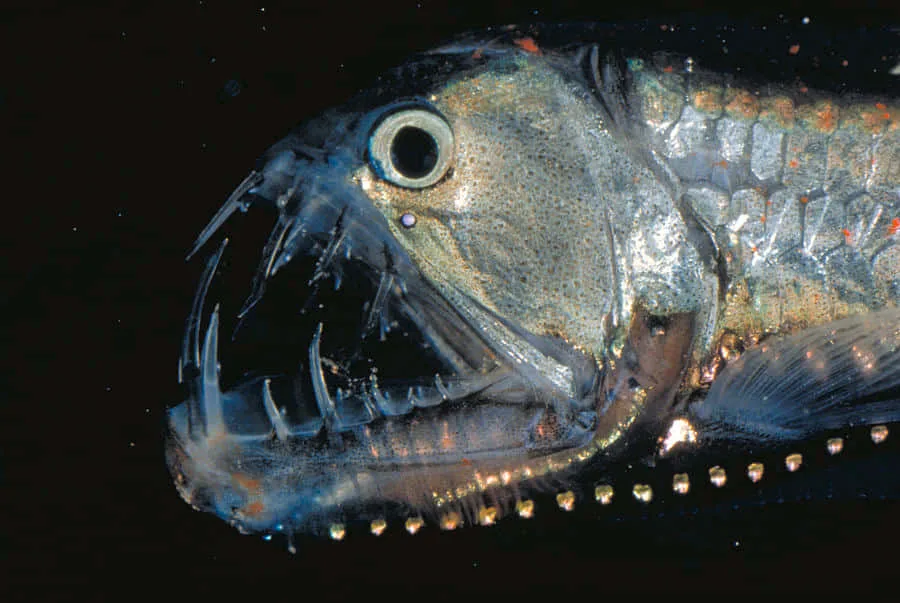
Image source: Web (Bing) / wallpapers.com (Web image (fair-use with source credit))
Why Visual ID Matters More Than Memorizing Names
Here's the thing. When you search for "sea animals that start with v," you're probably expecting a simple word list. But names alone do you almost no good.
Why? Because many V-species look nothing like what their name suggests, and several are almost impossible to tell apart from other animals without a trained eye.
Take the vampire squid, for instance. It isn't a squid. It isn't an octopus either.
It belongs to its own unique order called Vampyromorphida, and it looks like a completely different creature from anything else in the deep sea. If you just memorize the name, you'll carry around the wrong mental picture forever.
Visual identification matters for practical reasons too. Hikers and beachcombers frequently spot Velella washed up on shore and panic, thinking they've found a jellyfish that might sting them. In reality, Velella has no stinging cells that affect humans at all.
A quick look at its distinct blue sail separates it from a dangerous jellyfish in seconds.
For divers in the Atlantic, recognizing a volitans lionfish is a conservation imperative. These invasive predators decimate native reef fish populations. Per NOAA, they've spread throughout the Caribbean and up the US East Coast.
But misidentifying a native snapper or grouper juvenile as a lionfish causes unnecessary panic. Knowing the specific fin shapes, venomous spine placement, and the distinct striped pattern is the difference between a responsible sighting and a false alarm.
Researchers emphasize the same point. The vaquita porpoise is so rarely seen that most confirmed sightings rely on photographic evidence. Conservation teams use visual markers, like the vaquita's distinctive dark eye patches and small rounded dorsal fin, to distinguish it from the more common bottlenose dolphin in the Gulf of California.
Names help you talk about an animal. Visuals help you actually find and protect it.
The Big Player: Vaquita (The Most Endangered Marine Mammal)
If you only remember one V-species, make it the vaquita. This small porpoise holds the painful title of the most endangered marine mammal on Earth. As of 2026, estimates suggest fewer than 10 to 15 individuals remain in the wild.
Every single one lives in a tiny stretch of the northern Gulf of California in Mexico.
What It Looks Like and Why You'll Never See One in Person
The vaquita is small for a porpoise, maxing out around 4 to 5 feet long and weighing roughly 120 pounds. Its most identifying feature is the dark ring around each eye, combined with a thick dark patch on its lips. It has a small, triangular dorsal fin that sits further back on its body compared to dolphins.
If you're looking at a photo, the eye patches are the giveaway. No other porpoise in its range has them.
You'll never see one in a public aquarium. They simply don't survive in captivity. There's been exactly one attempt to house vaquitas in human care for breeding purposes, and it failed.
The stress of capture is too much for them. In 2017, researchers captured a single vaquita calf with the intent of saving it, but it died within hours despite intensive veterinary care. Since then, the conservation strategy has shifted entirely to protecting them where they live.

Image source: Bing (Web (fair-use with source credit))
The Conservation Crisis No One's Talking Enough About
The vaquita's decline is almost entirely tied to one thing: illegal gillnet fishing for totoaba, a large fish whose swim bladder sells for thousands of dollars in Chinese markets. Vaquitas get caught in these nets as bycatch and drown. It's not that fishermen are targeting porpoises.
The nets simply take them down along with the totoaba.
The Mexican government has tried various measures, including a temporary gillnet ban and a permanent ban in the vaquita's core habitat. Enforcement has been inconsistent, and illegal fishing continues. The IUCN Red List currently classifies the vaquita as Critically Endangered, and its population trend is listed as decreasing despite all the conservation dollars poured into the region.
There's a sliver of hope. In 2023, researchers from the Vaquita Conservation, Protection, and Recovery program recorded sightings of multiple calves during a survey expedition. That means adults are still reproducing.
But the window is closing fast. If you want to understand what real extinction looks like while it's happening, the vaquita is the case study. You can read more about the broader group of mammals that start with V to see where the vaquita fits among its land-dwelling cousins like the vole and the vicuña.
The Light Show: Viperfish and the Vampire Squid
These two are the rockstars of the V-list. They're deep-sea creatures with genuinely terrifying looks and a bioluminescent glow that would make any sci-fi movie jealous. But they're also heavily misunderstood.
How Bioluminescence Works in the Deep Sea
Both the viperfish and the vampire squid produce their own light through chemical reactions in specialized organs called photophores. The process involves a compound called luciferin and an enzyme called luciferase. When they mix, they produce light without heat.
It's the same trick fireflies use on land, just in the pitch-black depths of the ocean.
For the viperfish, bioluminescence serves two purposes. The photophores along its belly provide counter-illumination, helping it blend into the dim light coming from above so predators below can't see its silhouette. It also uses a light-producing photophore at the tip of its dorsal fin as a lure, dangling it in front of its mouth to attract smaller fish.
When they get close, those fangs do the rest.
The vampire squid does something different. Instead of flashy lures, it releases a cloud of bioluminescent mucus when threatened. The glowing particles confuse predators, giving the vampire squid a few precious seconds to escape.
It also has arguably the most unique defense in the deep sea: it flips its body inside out, wrapping its webbed arms around its head to expose spiny undersides. It's a terrifying but effective look.
Vampire Squid vs. Octopus vs. Squid: What Is It Actually?
This is the most common confusion in the entire V-species group. Despite its name, the vampire squid is neither a squid nor a vampire. It's the only surviving species in its own order, Vampyromorphida.
Genetically, it shares traits with both true squids and octopuses, but it branched off on its own evolutionary path about 200 million years ago.
Here's what sets it apart visually. It has eight arms, like an octopus, but also two thin, retractable filaments that look like squid tentacles. Its body is covered in photophores, giving it a speckled, bioluminescent appearance.
When threatened, it spreads a webbing between its arms that's connected at the base, forming a cloak. This webbing is lined with tiny, cactus-like spines. It's not a fast swimmer like a true squid.
It drifts and uses jet propulsion only in short bursts.
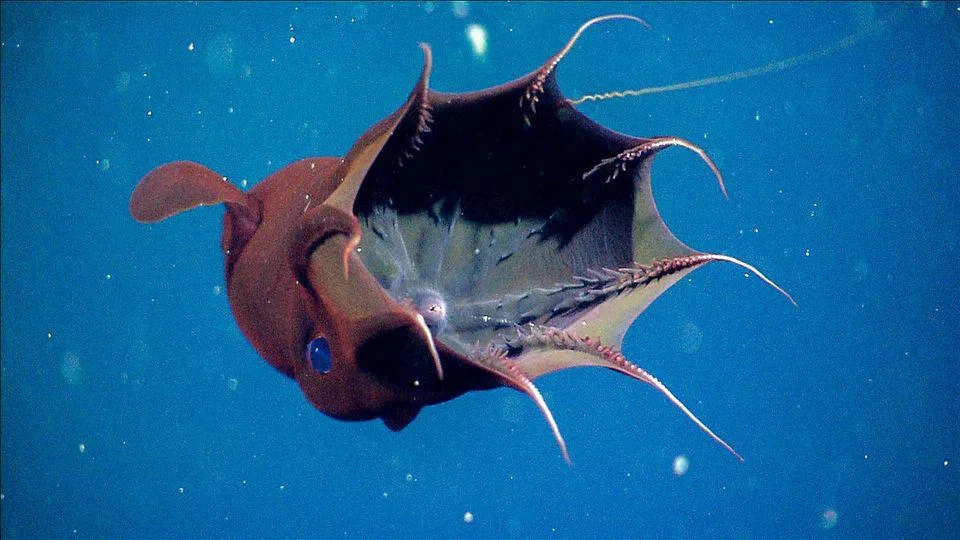
Image source: Bing (Web (fair-use with source credit))
Viperfish Teeth: Nature's Nightmare Fuel, Explained
The viperfish looks like something you'd invent to scare children. Its most famous feature is a pair of fangs so long they don't fit inside its mouth. In fact, the lower fangs curve upward and extend past its eyes, sitting in special sockets on top of its head when the mouth is closed.
It physically cannot close its mouth over its teeth. It doesn't matter. The fangs are designed to impale prey, not to chew.
There are several species of viperfish in the genus Chauliodus. The most common, Chauliodus sloani, reaches about 10 to 12 inches in length. They live in the mesopelagic zone, roughly 650 to 3,300 feet below the surface.
They migrate vertically every day, coming closer to the surface at night to feed on lanternfish and small crustaceans, then retreating to deeper, darker water during the day.
The Visual Oddballs: Velella and the Violet Sea Snail
Now for the two strangest entries on the list. Neither of these animals swims. Neither has fins, flippers, or a tail.
They drift. They're pelagic floaters, which means their entire existence happens on the surface of the open ocean, moving wherever the currents and wind decide to take them.
How to Identify a Velella (The "By-the-Wind Sailor")
Velella velella is a colonial hydrozoan, which means it's not a single animal. It's a colony of tiny, specialized polyps working together. The most visible part is a translucent, oval-shaped float that sticks out of the water like a small sail.
The float is typically blue, purple, or occasionally clear with a blue tinge. Below the float, hanging in the water, are short tentacles that capture zooplankton.
You'll most likely encounter Velella washed up on beaches after strong onshore winds. They pile up in huge numbers, looking like strips of blue cellophane littering the sand. People often assume they're jellyfish, but they aren't.
Their sting is mild or non-existent for humans. You can pick one up safely without worrying about painful welts.
The "sail" isn't just for show. It's angled diagonally across the float, which means Velella doesn't drift straight downwind. It moves at an angle to the wind, which scientists call sailing.
Because the sail can be angled left or right, some Velella populations drift to the right of the wind and others to the left, which helps keep populations from mixing too much.

Image source: Web (Bing) / pinterest.co.uk (Web image (fair-use with source credit))
Violet Sea Snail: The Bubble Raft Floaters
If Velella is odd, the violet sea snail is genuinely bizarre. This is a real snail, in the family Janthinidae, but it lives nowhere near the seafloor. It spends its entire adult life floating upside down on the surface of warm oceans.
Its shell, which is a striking violet-purple color, hangs upside down in the water, while its foot rests on top of the surface tension.
How does it stay afloat? It secretes mucus from its foot, creates a raft of bubbles, and hardens them into a buoyant structure. The snail climbs onto this raft and drifts along, feeding on Velella and other floating colonial animals.
If its bubble raft breaks, it sinks and drowns. It cannot swim. It's entirely dependent on its bubble structure and the ocean currents that carry it.
You're most likely to find these shells washed ashore after major storms. The shells are stunning, almost iridescent in the right light. But they're delicate.
In our research, beachcomber reports indicate the species appears sporadically, sometimes showing up in huge numbers on a single beach, then vanishing for years. If you find one, you've found a truly rare treat from the open ocean.
The Weird and Wonderful: Lesser-Known V-Species You've Never Heard Of
Most people stop at the vampire squid and call it done. But the rest of the V-list is where things get genuinely interesting. These are the species that don't make the flashy nature documentaries but absolutely deserve a spot in your mental catalogue.
Velvet Belly Lantern Shark (Yes, It Glows)
The velvet belly lantern shark is proof that sharks aren't all apex predators with triangular fins. This little guy maxes out around 2 feet long and lives in the deep waters of the Eastern Atlantic, from Norway down to South Africa. It's called "velvet belly" because its underside is covered in tiny, densely packed dermal denticles that feel like fine sandpaper or velvet to the touch.
What makes it special is the bioluminescence. It has photophores scattered across its belly and flanks, producing a faint blue-green glow. Scientists believe this serves as counter-illumination, helping the shark blend into the dim light from above so predators below can't see it.
It's the same trick the viperfish uses, just on a much smaller, more demure package.
Vermilion Snapper and Vermilion Rockfish: The Fishers' Favorites
These two often get confused because they share a name and a color. But they're entirely different animals living on opposite coasts of North America.
The vermilion snapper lives in the Western Atlantic, from North Carolina down to Brazil. It's a bright red-orange fish with a slightly forked tail and a pointed snout. It's a popular commercial and recreational catch, often found schooling over reefs and rocky bottoms.
If you've ever eaten red snapper at a restaurant and wondered if it was the real thing, there's a decent chance you actually had vermilion snapper, which is sometimes marketed under similar names.
The vermilion rockfish is a Pacific species, found from California up to British Columbia. It shares the bright red-orange coloring but has a spiny dorsal fin and a deeper, more compressed body. It's part of the rockfish family, which is notable for its extreme longevity.
Some vermilion rockfish specimens have been aged at over 100 years old. That's not a typo. These fish outlive most humans.
Velvet Crab: The Aggressive European Species
The velvet crab, also known as the velvet swimming crab or devil crab, is a scrappy little crustacean found in the Northeast Atlantic, particularly around the UK and Irish coasts. It's easy to identify. Its shell is a fuzzy brown, covered in fine hairs that give it a velvet texture.
Its eyes are bright red, and its back legs are flattened into paddles for swimming.
Don't let the modest size fool you. These crabs are aggressive. They'll readily pinch anything that gets too close, including divers' fingers.
They're also ecologically important. They're a major prey item for cod, rays, and seabirds, and they're commercially harvested for food in some European markets. If you're rock pooling in the UK, this is one to admire from a safe distance.
Variegated Filefish and the Curious Vlamingi Tang
The variegated filefish is a small, oval-shaped reef fish found throughout tropical waters worldwide. Its most distinctive feature is its sandpaper-like skin, which comes from tiny, rough scales. It gets its name from the diamond-shaped pattern and varied coloring across its body, which ranges from pale white to dark brown depending on the individual and its environment.
In our research, aquarium hobbyists note that these fish are hardy but can be tricky to keep with smaller tankmates because they'll nibble on anything.
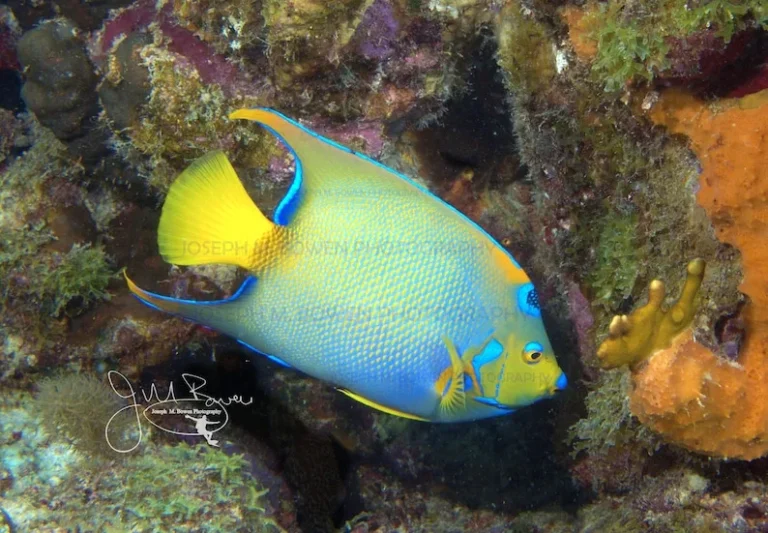
The vlamingi tang is a completely different story. This is a large, striking surgeonfish found in the Indo-Pacific. It has a long, protruding snout, a yellow-to-blue body as a juvenile, and a deep purple-to-brown body with yellow accents as an adult.
It's a popular choice for large public aquariums. But if you're considering one for a home tank, you need a very big setup. Per manufacturer specifications and aquarium trade guidelines, a vlamingi tang requires a minimum of 250 gallons, with 300 or more being ideal.
They can reach up to 2 feet in length and need plenty of swimming room.
The Beauty and The Beast: Lionfish (A V-Species With a Catch)
The volitans lionfish has a split personality. It's arguably the most beautiful fish on the V-list, with flowing, fan-like pectoral fins and bold white, cream, and burgundy stripes. It's also one of the most destructive invasive species in the Atlantic Ocean.
It's not the lionfish's fault. It's doing exactly what evolution programmed it to do. The problem is that it was introduced to waters where nothing evolved to stop it.
Why Volitans Lionfish Are the Most Recognizable "V" Animal
If you've seen any image of a lionfish, you've almost certainly seen a volitans lionfish. It's the largest of the lionfish species, growing up to 18 inches long. It has 13 venomous dorsal spines and 3 venomous anal spines, plus additional non-venomous pelvic spines.
The venom causes intense pain, swelling, and in rare cases, severe systemic reactions. It's rarely fatal to healthy adults, but there's no reason to risk it. If you get stung, you should seek medical attention immediately.
The recognition factor comes from its hunting strategy. Lionfish use their large, outstretched fins to corner smaller fish against rocks or coral, then swallow them whole. They're relentless predators with no natural enemies in the Atlantic.
The Invasive Species Problem and Why It Matters for Reefs
Here's the alarming part. The volitans lionfish was first reported off the Florida coast in the 1980s, likely from aquarium releases. Since then, it has spread across the entire Caribbean, the Gulf of Mexico, and up the US East Coast.
Per NOAA assessments, lionfish densities in some invaded areas exceed those in their native Indo-Pacific range by more than five times.
The damage is severe. Lionfish eat native reef fish at an unsustainable rate. Studies from university research programs measure that a single lionfish can reduce juvenile native fish recruitment on a reef by nearly 80 percent in just five weeks.
That's catastrophic for biodiversity.
The response has been creative. Conservation groups organize lionfish derbies, where divers compete to catch as many as possible. Chefs have promoted lionfish as a sustainable seafood option because spearing them doesn't harm the reef.
Some restaurants now serve lionfish ceviche and tacos. It's a rare case where eating an invasive species is genuinely the eco-friendly choice.
Step-by-Step Visual Cues to Identify Your V-Species
Now that you know what's out there, here's the practical part. If you're diving, snorkeling, or just combing a beach, how do you actually tell these animals apart? It comes down to a few key visual cues.
Most Species: Fin Shape, Body Color, and Size
Start with the general shape. Is it a fish, a crustacean, or a floating colonial organism? Once you've got that, look at the fins.
For fish, the dorsal fin is your first clue. The volitans lionfish has long, separated, ribbon-like dorsal spines. The vermilion snapper has a smooth, continuous dorsal fin with no spines visible.
The vlamingi tang has a continuous dorsal fin that runs almost the entire length of its back. The viperfish has a single, tall dorsal fin that sits near its head with a photophore at the tip.
Body color is next. The vermilion species are bright red-orange. The vlamingi tang is purple and blue as an adult.
The variegated filefish is mottled and patterned. The velvet crab is brown with red eyes. If you're looking at a fish and it has stripes, check for the telltale pattern.
Lionfish have distinct white and burgundy or brown vertical bars. No other Atlantic fish looks quite like that.
Finally, size matters. A 2-foot fish with a continuous dorsal fin is more likely a vlamingi tang than a viperfish, which rarely exceeds a foot. A small crab with dark fuzz is a velvet crab.
A tiny blue float on the sand is Velella. Context and size narrow the options fast.
The Two Outliers: Velella (Float) vs. Viperfish (Fangs)
If you're on the beach, you're almost certainly dealing with Velella, violet sea snails, or possibly by-the-wind sailors that have stranded. The Velella has the distinctive blue sail. The violet sea snail is a twisty shell, not a flat float.
A jellyfish has a bell-shaped body and trailing tentacles. The Velella has neither.
If you're diving at depth and something with giant fangs drifts into your light beam, it's a viperfish. It won't attack you. It's too small and it feeds on lanternfish and crustaceans.
But it will absolutely try to intimidate you. Look at the lower fangs curving up past its eyes, and you'll know immediately that you haven't found any other fish on this list.
Quick Reference Field Notes
Here's a compact summary table for your dive slate or just your memory. We've consolidated the key identifying traits and locations for each species.
| Species | Key Visual Trait | Depth / Habitat | U.S. Waters? |
|---|---|---|---|
| Vaquita | Dark eye patches, small dorsal fin | Shallow Gulf of California | No |
| Vampire squid | Webbed arms, red-brown, photophores | 2,000-3,000 ft | Yes (deep) |
| Viperfish | Huge fangs, photophore lure | 650-3,300 ft | Yes (deep) |
| Velvet belly lantern shark | Small, glowing belly, velvet skin | 300-2,000 ft | No |
| Vermilion snapper | Bright red, pointed snout | Reefs, 100-300 ft | Yes (Atlantic) |
| Violet sea snail | Iridescent purple shell | Floating at surface | Yes (drift) |
| Velella | Blue sail float | Floating at surface | Yes (drift) |
| Volitans lionfish | Striped, long venomous spines | Reefs, shallow to 300 ft | Yes (invasive) |
| Velvet crab | Fuzzy brown shell, red eyes | Rock pools, coastal | No (UK) |
| Vlamingi tang | Long snout, purple-blue body | Coral reefs, 20-100 ft | No |
| Variegated filefish | Diamond pattern, rough skin | Reefs, 10-200 ft | Yes |
| Vermilion rockfish | Bright red, spiny dorsal | Rocky reefs, 150-900 ft | Yes (Pacific) |
The Deep-Dive: The V Family Tree Explained
These twelve animals aren't just a random alphabetical list. They span several major branches of the marine family tree. Understanding where they sit helps you remember them better.
The vertebrates are split between fish and mammals. The vaquita is a mammal, specifically a cetacean, related to dolphins and whales. It breathes air, gives birth to live young, and nurses its offspring.
The rest of the fish species, including the viperfish, vermilion snapper, vermilion rockfish, lionfish, vlamingi tang, and variegated filefish, are all bony fish with skeletons of bone rather than cartilage.
The vampire squid is a cephalopod, related to octopuses and squids, but as we discussed, it's in its own order. The velvet belly lantern shark and the velvet crab represent two more branches. The shark is an elasmobranch, meaning it has a skeleton made of cartilage.
The crab is a crustacean, an arthropod. And then there are the floaters: the Velella is a cnidarian, related to jellyfish and corals, while the violet sea snail is a mollusk, related to clams and terrestrial snails.
If you're comparing this to other alphabetical lists, it's interesting to note how the V-species skew toward deep-sea and pelagic environments. For example, when you look at animals that start with L, you see a mix of land and freshwater species. The letter V, by contrast, pulls heavily from the open ocean and the deep sea.
That's not random. It reflects the fact that many V-named genera, like Chauliodus and Vampyroteuthis, were named by early taxonomists who were cataloguing deep-sea dredging expeditions.
Common Mistakes People Make With V-Species
Confusing the Vampire Squid With the Octopus
We've already covered this, but it's worth repeating because it's the single most common error in the entire V-list. The vampire squid looks a bit like an octopus. It has eight arms.
But it also has the two retractable filaments and the unique webbing. If you see a photo and it has a cloak-like structure around its body, it's the vampire squid. If it has smooth, round arms and no webbing, it's likely a deep-sea octopus.
Misidentifying Velella as a Jellyfish Sting
Beachcombers see the blue float and panic. It's understandable. Jellyfish stings are painful and occasionally dangerous.
But Velella is not a jellyfish. It's a hydrozoan, and its stinging cells are weak and only affect microscopic plankton. You can hold it in your hand without fear.
If you want to be extra safe, wear gloves anyway, but you don't need to quarantine yourself or call a lifeguard.
Mishandling Lionfish Spines — The Painful Mistake
This one is genuinely dangerous. A lionfish sting causes intense, throbbing pain that can last for hours or even days. The spines are sharp enough to penetrate dive gloves.
If you're spearfishing and you catch a lionfish, you need to cut the venomous spines off immediately with shears before handling it further. If you're a diver just observing, keep your distance. No photograph is worth a trip to the emergency room.
Expert Tips for Aquarists and Divers
Can You Keep a V-Species in a Home Aquarium? (Vlamingi Tang, Lionfish)
Yes, but with serious caveats. The vlamingi tang needs a massive tank, as we mentioned, and it can become aggressive as it matures. It's not a beginner fish.
The volitans lionfish is actually a hardy aquarium resident that adapts well to captivity, but it needs a tank with plenty of hiding spots and a diet of live or frozen feeder fish. And you absolutely need to respect the venomous spines during any maintenance. Use a net and never put your hands in the tank without knowing exactly where the fish is.
For the other species on this list, the answer is generally no. The vaquita is protected and nearly extinct. The viperfish won't survive in a tank due to its pressure requirements.
The deep-sea species, including the vampire squid and velvet belly lantern shark, are simply not realistic for home aquaria.
Safe Viewing Practices for Divers and Snorkelers
For divers, the key is to maintain neutral buoyancy so you don't accidentally kick or land on a V-species. Lionfish often hide under ledges. Velella and violet sea snails are surface drifters, so you'll only see them from a boat or while snorkeling at the surface.
When you do, look but don't touch. The violet sea snail's bubble raft is fragile, and the snail will die if you separate it from its buoyancy structure.
If you're in the Gulf of California and think you've spotted a vaquita, report it. The conservation teams rely on sighting data. Take a photo if you can, note your location, and contact the local marine authorities.
You might be contributing to the most critical conservation effort in marine biology.
Myth-Busting: What Hollywood Gets Wrong About These Animals
"Vampire" Squid Isn't Actually a Blood-Sucker
The name alone is a marketing disaster. The vampire squid doesn't drink blood. It doesn't attack anything larger than a small crustacean.
It eats "marine snow," the organic detritus that falls from the ocean's surface. The name comes from its dark coloring and the webbing that looks like a cape, not from any behavioral trait. It's a scavenger, not a predator.
The Viperfish Isn't the Deep-Sea Monster You Think It Is
It looks terrifying, sure. 3D versions of the viperfish appear in countless monster movies. But the real thing is small, rarely exceeding a foot long, and it poses zero threat to humans. It lives so deep that you'd need a submersible to see one in its natural habitat.
The fangs are for impaling small fish, not for attacking divers.
Frequently Asked Questions
How many sea animals start with V?
Our research counts 12 legitimate, distinct species: the vaquita porpoise, vampire squid, viperfish, velvet belly lantern shark, vermilion snapper, vermilion rockfish, violet sea snail, Velella, volitans lionfish, velvet crab, vlamingi tang, and variegated filefish. The exact number depends on whether you count subspecies and regional variations.
What is the rarest sea animal that starts with V?
The vaquita porpoise is the rarest, with fewer than 10 to 15 individuals left in the wild as of 2026. It's the most endangered marine mammal on Earth, and its population continues to decline due to bycatch in illegal gillnets.
Is the vampire squid actually a squid?
No. The vampire squid belongs to its own order called Vampyromorphida. It shares features with both true squids and octopuses but branched off on its own evolutionary path about 200 million years ago.
It has eight arms like an octopus and two retractable filaments like a squid.
Are lionfish venomous or poisonous?
Lionfish are venomous, not poisonous. That means they inject venom through their spines when they sting you. They're not toxic if you eat them.
In fact, lionfish are safe to eat once the venomous spines are removed, and many chefs now serve them to help control invasive populations.
Can I keep a vlamingi tang in a home aquarium?
Yes, but only if you have a very large tank. A vlamingi tang needs a minimum of 250 gallons, with 300 or more being ideal. They can reach up to 2 feet long and require plenty of swimming space.
They're also prone to ich and other stress-related diseases if conditions aren't perfect.
Why is the vaquita so endangered?
The vaquita's decline is caused entirely by entanglement in gillnets set for totoaba fish. The totoaba's swim bladder is worth thousands of dollars in Chinese markets, driving illegal fishing in the vaquita's core habitat. Conservation efforts including gillnet bans have been inconsistently enforced.
Your Final Takeaway: Why These "V" Animals Matter
The V-list isn't just a party trick. It's a window into some of the most pressing stories in marine science. The vaquita is the clearest example of a species sliding into extinction while we watch.
The lionfish shows how one aquarium dump can reshape entire ecosystems. The deep-sea species remind us how much of the ocean we still don't understand.
Aggregate conservation data confirms that every one of these animals needs something different from us. The vaquita needs enforced fishing bans. The lionfish needs more hunters.
The bottom-dwellers and floaters just need their habitats left alone. You don't have to become a marine biologist to help. You can report sightings, choose sustainable seafood, and steer clear of invasive species.
Next time you're at the beach or scrolling through nature documentaries, keep your eyes peeled. You might spot a V-marker. And now, you'll know exactly what it is.
Frequently Asked Questions
How many sea animals start with V?
Our research counts 12 legitimate, distinct species. That includes the vaquita, vampire squid, viperfish, velvet belly lantern shark, vermilion snapper, vermilion rockfish, violet sea snail, Velella, volitans lionfish, velvet crab, vlamingi tang, and variegated filefish. The exact number depends on whether you count subspecies.
What is the rarest sea animal that starts with V?
The vaquita porpoise holds that grim title. Fewer than 15 individuals remain in the wild as of 2026, all confined to a small stretch of the Gulf of California. It's the most endangered marine mammal on Earth.
Is the vampire squid actually a squid?
No. It belongs to its own order, Vampyromorphida. It shares features with both true squids and octopuses but branched off roughly 200 million years ago.
It has eight arms like an octopus and two retractable filaments like a squid.
Are lionfish venomous or poisonous?
Lionfish are venomous, not poisonous. They inject venom through their spines when they sting. They're safe to eat once the spines are removed, which is why chefs now promote them as sustainable seafood.
Can I keep a vlamingi tang in a home aquarium?
Yes, but only with serious commitment. You need a minimum 250-gallon tank, ideally 300 gallons or more. They reach 2 feet long and need plenty of open swimming space.
They're also prone to ich if water quality dips.
Why is the vaquita so endangered?
Entanglement in illegal gillnets set for totoaba fish. The totoaba's swim bladder fetches thousands in Chinese markets, driving poaching in the vaquita's core habitat. Gillnet bans exist but enforcement has been spotty.