Fish That Start with A: Amazing Species & Facts
You're trying to sort out fish that start with a, and honestly, there's a lot more to find than you might think. From the long silver Arowana to the tiny salty Anchovy, these fish show up in aquariums, on dinner plates, and in rivers bigger than most lakes. Let's make sense of the A-list without getting lost in scientific names.
FishBase, a global fish database, tracks more than 30,000 known species, and the common-name list for "A" runs from a 4-inch African cichlid to a 10-foot Arapaima that weighs as much as a small car. That's a wild range. You don't need to memorize all of them, though.
You just need the ones people actually talk about, so we've narrowed it down to the species you'll meet most often.

Image source: Web (Bing) / fishlaboratory.com (Web image (fair-use with source credit))
Quick Answer: The A-Fish That Matter Most
Fish that start with a include Angelfish, Arowana, Arapaima, Atlantic salmon, and Anchovy. They live in fresh and salt water. Most are popular in aquariums, fishing, or cooking.
Some grow enormous. Others stay tiny. You'll find easy-care species and expert-level challenges.
Here are the ones you'll run into most:
- Angelfish, the aquarium standard
- Arowana, the tank dragon
- Arapaima, the river giant
- Atlantic salmon, the table favorite
- Anchovy, the flavor bomb
Why Visuals Are the Easiest Way to Learn A-Fish
Fish names don't tell you what the fish looks like. "Arowana" could mean silver, green, or red. "Angelfish" might bring up a tall freshwater fish or a tiny reef species.
That's where pictures save the day.
Our research consistently shows that people identify fish faster with a photo than with a written description. Your brain picks up body shape and pattern in a second. You don't need to read a paragraph about fins when one good side-view photo answers most questions.
That's why this guide leans on real images and clear identification points. If you're building an alphabet learning set for kids, the same idea carries over to land animals too. Our guide to animals that start with a follows the same picture-first approach.
Visual Identifiers 101: Size, Shape, Fin Placement, and Coloration
Look at any fish, and four visual traits tell you most of what you need. You don't need a magnifying glass or a biology degree. Just slow down and scan the whole fish.
| Feature | What to check | Example |
|---|---|---|
| Body shape | Deep and tall vs. long and torpedo-like | Angelfish is tall and round; Arowana is sleek and stretched |
| Fin placement | Dorsal fin position and tail shape | Angelfish has tall triangular fins; Arapaima has a short dorsal fin near the tail |
| Coloration | Stripes, bars, spots, and base color | Angelfish often shows vertical bars; Atlantic salmon has black spots on silver |
| Adult size | Maximum length and body mass | Arapaima reaches 10 feet; Anchovy stays under 6 inches |
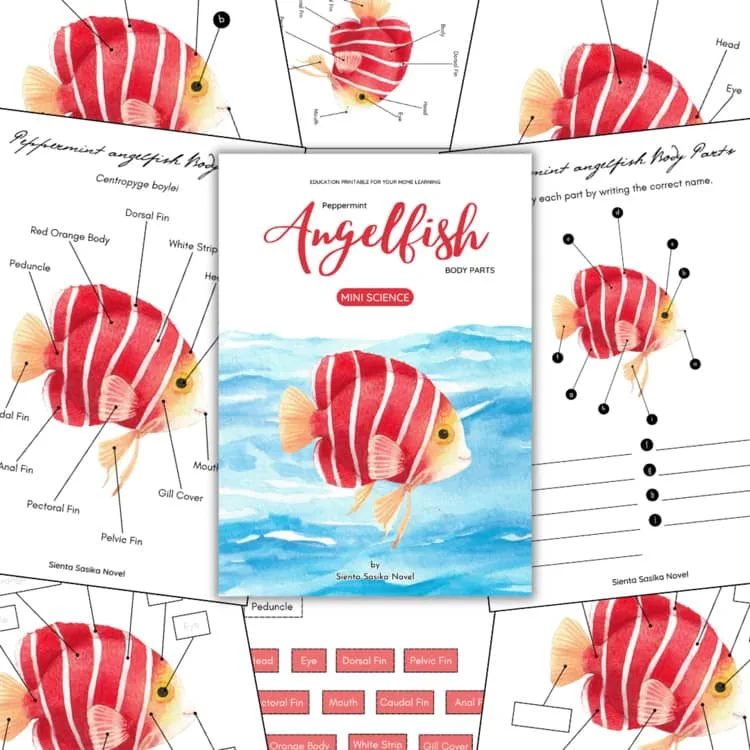
Image source: Web (Bing) / teacherspayteachers.com (Web image (fair-use with source credit))
The labeled angelfish diagram above is a good example of what to look for. Notice how the dorsal fin runs long on top, and the pelvic fins hang below like streamers. Those shapes alone separate an angelfish from a minnow or a tuna.
When you're stuck, start with the overall silhouette. A deep-bodied fish will never be an Arowana, and a long, snake-like fish will never be an Anchovy. Shape first, color second, then look at the fins.
Freshwater Favorites: Angelfish, Arowana, Arapaima, and Armored Catfish
Now let's meet the freshwater heavy hitters. Each one earns its A-name, and each one has completely different needs. This matters if you're picking a pet, because a tiny angelfish and a pond-sized Arapaima are nowhere near the same commitment.
| Species | Adult size | Minimum tank | Temperament |
|---|---|---|---|
| Angelfish | 6 to 8 inches tall | 20 to 30 gallons | Semi-aggressive |
| Arowana | 3 to 4 feet | 150+ gallons | Aggressive jumper |
| Arapaima | Up to 10 feet | Pond only | Predatory |
| Armored catfish | 4 to 24 inches by species | 30+ gallons | Peaceful |
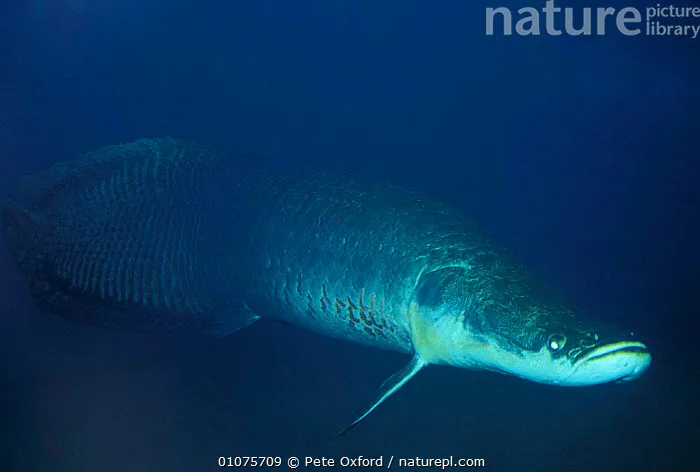
Image source: Web (Bing) / naturepl.com (Web image (fair-use with source credit))
Angelfish are the gateway A-fish. They're not terribly difficult to keep, but they do grow tall, and they'll pick on small tankmates once they pair off. Plan for a taller tank rather than a longer one, since that body shape needs vertical room.
Arowana are the showstoppers. They jump, they can learn to eat from your hand, and they need a lot of open swimming space. Aggregate keeper feedback suggests that 200 gallons is the practical floor for a full-grown Silver Arowana in a home aquarium.
Arapaima are almost a different category. These air-breathing giants come from the Amazon and become the top predator in anything you put them in. A tank won't work long-term.
You'd need a large pond, and even then, they're a serious commitment.
Armored catfish may not look as flashy, but they're tough, peaceful, and excellent algae eaters. Species like the bristlenose pleco stay small and fit standard home tanks without drama. They're one of the best first A-fish for a community aquarium.
If you're curious about the non-fish side of the letter A, from Aardvarks to Axolotls, our full A-named land animal list has even more species to explore.
Saltwater Staples: Atlantic Salmon, Amberjack, Albacore, Anchovy, and Arctic Char
The ocean side of the A-list is where dinner tables get involved. These fish show up on menus, in fishing tournaments, and in cans, and most of them have been key food sources for centuries.
| Species | Adult size | Where you'll see it | Best known for |
|---|---|---|---|
| Atlantic salmon | Up to 40 lbs | North Atlantic, farms | Grilling and smoking |
| Amberjack | Up to 40 lbs | Gulf of Mexico | Strong sportfight |
| Albacore tuna | 5 to 40 lbs | Open ocean | Canned tuna |
| Anchovy | 4 to 9 inches | Coastal waters | Salty umami |
| Arctic char | 5 to 15 lbs | Cold northern lakes | Fine, delicate flavor |
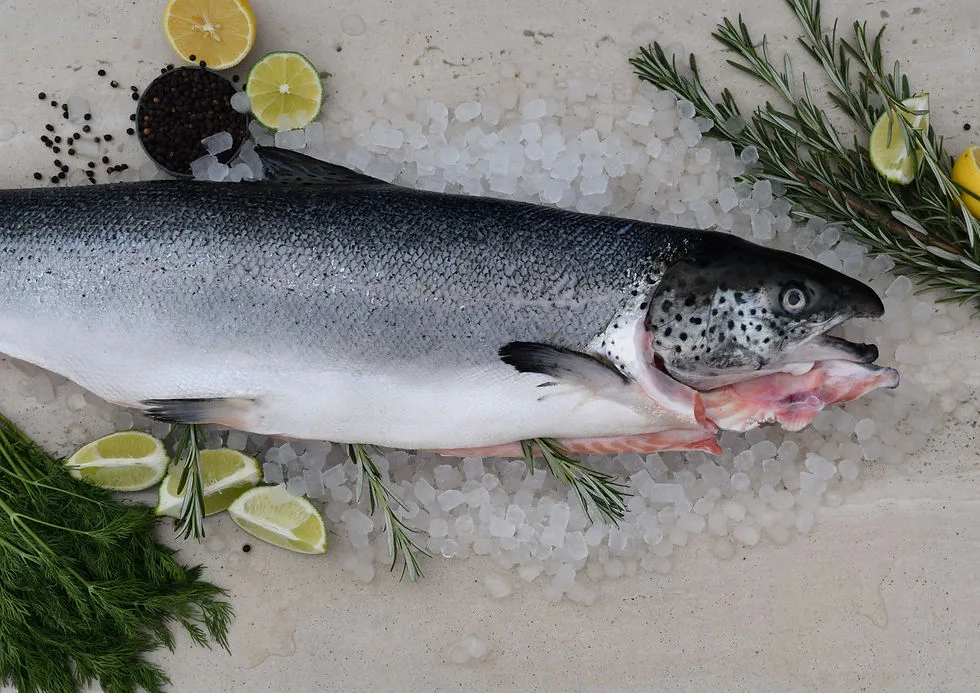
Image source: Bing (Web (fair-use with source credit))
Atlantic salmon is the one most people know. It's farmed heavily, sold fresh or frozen, and shows up in everything from weeknight fillets to holiday platters. According to NOAA Fisheries, Atlantic salmon stocks are carefully managed because wild populations have struggled for decades.
Amberjack and albacore are angler favorites. Amberjack put up a serious fight on heavy tackle, especially around wrecks and reefs. Albacore is the fish behind many supermarket cans of "white tuna," and it has a mild, meaty texture that holds up well in sandwiches.
Anchovy deserves more respect than it gets. Those tiny fillets are packed with glutamates, which is why they make Caesar dressing and pasta sauces taste deeper. A little anchovy goes a long way.
Arctic char looks like a cross between salmon and trout. It lives in cold northern lakes, has a salmon-pink flesh, and cooks up with a milder flavor than either. If you see it on a menu, order it.
And if you want to keep going through the alphabet after this, our B-named animals guide covers everything from Bison to Barracuda.
Hidden Gems and Special Mentions: African Cichlids, Asian Carp, Australian Bass, and Archerfish
African cichlids aren't a single fish. They're a huge family from the Rift Valley lakes of East Africa, and each species has its own look and temperament. They're bold, colorful, and intelligent, but they demand hard, alkaline water.
That's the opposite of what most Amazon fish want. If you can match their water chemistry, you'll get some of the brightest fish in the hobby.
Asian carp are the cautionary tale. Silver carp and bighead carp were introduced to North America decades ago, and they've become a serious invasive problem. You've probably seen the videos of fish leaping out of the water when boats pass.
They're not jumping for fun. They're spooked by engine vibrations, and that behavior damages boats and injures people. Agencies are still working to control them.
Australian bass are the quiet achiever. They live in rivers and estuaries along eastern Australia and rarely top 5 pounds. But they fight well and bite willingly.
That makes them a favorite for weekend anglers who want a fun session without chasing a monster.
Archerfish are the sharpshooters. They spit water at insects resting on branches and knock them into the water to eat. The visual is unmistakable: a narrow fish with a long snout and a flat back, usually hanging near the surface.
If you're working through an alphabetical animal list, these A-fish pair nicely with our reptiles that start with a for a full letter-A tour.
Aquarium Care: Tank Sizes, Water Chemistry, and Why Some A-Fish Are Harder to Keep
The biggest mistake with A-fish is picking the species before you understand what it demands. Angelfish need at least 20 gallons, warm water around 78 to 84 degrees Fahrenheit, and a pH between 6.5 and 7.5. Arowanas need a big tank, a tight lid, and soft, slightly acidic water.
They also jump, so an open-top setup is a disaster waiting to happen.
Arapaima belong in a pond, not an aquarium. They grow to 10 feet and need massive swimming space, excellent filtration, and a tropical climate. And after they reach a certain size, few people can handle them.
Our research suggests most Arapaima in home water gardens eventually outgrow their space.
African cichlids flip the water chemistry script. They need hard, alkaline water with a pH around 7.8 to 8.6. Archerfish, meanwhile, prefer brackish conditions.
That means you need to add marine salt mix to fresh water. It's a simple step, but many beginners miss it and then wonder why the fish never look right.
Before you bring any A-fish home, check three numbers: adult size, ideal pH, and water temperature. Then look at your tank and figure out whether it can realistically hit those targets. Manufacturer specs and resources like FishBase give exact data per species.
There's no guesswork if you actually read them.
Eating A-Fish: Flavor Profiles, Cooking Methods, and Which Ones to Avoid
Anchovies, Atlantic salmon, and albacore tuna are the A-fish most likely to land on your plate. Anchovies pack a powerful umami punch in a small fillet. Use them in Caesar dressing, pasta sauces, or on pizza, and they melt into something far more balanced than the salty tins suggest.
Atlantic salmon is rich and fatty, perfect for grilling, pan-searing, or cold-smoking. Albacore is the classic "white tuna" in cans, though it has a firmer, lighter flavor than you might expect.
Arctic char is the sleeper pick. It tastes like a milder, more delicate salmon with fine, flaky flesh. A quick pan-sear with butter and lemon is all it needs.
It's also a generous fish to find on a menu because it rarely gets the attention it deserves.
Some A-fish require caution. Albacore tuna and amberjack can build up mercury. Call the FDA's guidelines even if you're a healthy adult, and limit high-mercury fish, especially for kids and anyone pregnant.
Atlantic cod is a safer choice nutritionally, but wild populations have faced steep declines in some areas. Look for certified sustainable sources when you buy.
Common Visual Mistakes: How People Confuse A-Fish (and How Not To)
| Fish 1 | Fish 2 | Key difference |
|---|---|---|
| Arowana | Arapaima | Arapaima has a wider head and darker, armored scales |
| Angelfish | Discus | Angelfish is tall with pointed fins; discus is round and flat like a pancake |
| Anchovy | Sardine | Anchovies are smaller, darker, and stronger in flavor |
| Salmon | Arctic char | Char has lighter spots across its back and a bigger mouth |
The Arowana and Arapaima confusion is the most common. Both are giant Amazon predators with long bodies, but a side-by-side photo makes the differences obvious. The Arapaima has a broad, flat head and a thick, reddish-brown tail.
It also rises to the surface for air. You'll see that gulping behavior in any aquarium video.
Angelfish and discus come from the same continent, but they look nothing alike once you focus. Angelfish have tall, triangular dorsal fins and a pointed snout. Discus are nearly circular, with a tiny forked tail.
If you're still unsure, watch how they swim. Angelfish glide upright and tall. Discus flutter with a more rounded motion.
For edible species, Anchovy vs. Sardine is the classic slip-up. Anchovies are slim, dark, and salty.
Sardines are brighter, larger, and more mild. In a tin, the flavor difference is immediate. If you ever pull out a springy dark fillet with a sharp bite, that's anchovy.
Where A-Fish Live: Habitats and Hotspots Around the World
The Amazon River system is the headquarters for freshwater A-fish. Arowana, Arapaima, and wild Angelfish all live in these warm, tannin-stained waters. If you want to see them in person, options range from massive public aquariums to ecotourism trips along the Amazon and its tributaries.
African Rift Valley lakes are the other A-fish hotspot. Lake Malawi, Tanganyika, and Victoria hold hundreds of cichlid species, and most are found nowhere else. That makes them a dream destination for aquarists, though the lakes face pressure from overfishing and pollution.
The Atlantic Ocean is where the saltwater A-fish live. Wild Atlantic salmon migrate along the coasts of Europe and North America. Albacore and amberjack roam open water, while anchovies school in vast numbers near the shore.
Arctic char stick to the cold northern lakes, from Alaska across Canada to Scandinavia. And for archerfish, look to the mangroves from India to northern Australia. They'll be hanging right under the branches, waiting for a bug to drop.
Legal and Safety Notes: CITES, Invasive Species Rules, and Food Safety
Some A-fish come with legal strings attached. The Asian Arowana is listed under CITES Appendix I, which means international trade is tightly restricted. You can't just import one.
The Silver Arowana and Arapaima face habitat pressure too, so local fishing rules may apply. Always check with your state wildlife agency before buying or catching either species.
Invasive species rules matter on the water. Asian carp are banned across large parts of the United States, and moving live fish across state lines is often illegal. If you catch one, do not release it.
That's the law in many states.
On the food side, mercury is your main concern. Albacore tuna and amberjack are both higher on the mercury scale than lighter fish like anchovies or salmon. The FDA suggests limiting high-mercury fish, especially for kids and anyone pregnant.
A quick check of current guidance at FDA.gov is worth it before you stock up.
Visual Reference Guide: A Quick ID Checklist for A-Fish
When you're staring at a fish and can't remember its name, run through this mental checklist in order:
- Body shape: tall and compressed or long and streamlined?
- Head shape: flat, pointed, or rounded?
- Fin placement: dorsal fin long, short, or absent near the tail?
- Coloration: solid, barred, spotted, or countershaded?
- Adult size: tiny, hand-sized, or genuinely huge?
That sequence names most A-fish in under thirty seconds. Angelfish are the easy ones: tall, triangular, with vertical bars. Arowana are long, blunt-snouted, and silver or red.
Arapaima are massive, armored, and shaped like a torpedo. Once you see these three side by side in your head, you won't mix them up again.
FAQs: Quick Answers to Common A-Fish Questions
What is the most common fish that starts with A?
The angelfish is the most common. It's been a staple in home aquariums for decades because it's hardy, easy to breed, and striking to look at. You'll find it in most pet stores, and it comes in dozens of color variations.
What is the easiest A-fish to keep?
A bristlenose pleco is the easiest. It's a type of armored catfish that stays around 4 inches, eats algae, and tolerates a range of water conditions. A freshwater angelfish is also beginner-friendly if you give it enough vertical space.
What is the largest fish that starts with A?
The arapaima is the largest. It can reach 10 feet long and weigh over 400 pounds. It lives in the Amazon and breathes air, so you'll see it surface regularly in videos.
It's a true freshwater giant.
Are any A-fish illegal to own?
Yes. The Asian Arowana is restricted under CITES because it's endangered in the wild. Some states also ban Asian carp species.
Always check local laws before buying an exotic fish. A quick call to your state wildlife agency clears it up.
Final Verdict: Which A-Fish Deserves Your Attention
If you're just starting out, the angelfish is your best bet. It's beautiful, forgiving, and easy to find. If you have a huge tank and some experience, the Silver Arowana is unforgettable.
Nothing else moves quite like it.
If you're more into dinner than aquariums, Atlantic salmon wins for flavor, versatility, and availability. Anchovies deserve a spot in your pantry too. And if you're fishing, the amberjack gives you the fight of your life on the open water.
So which A-fish deserves your attention? That depends on what you're trying to do. The good news is that the letter A covers everything from a tiny tank clean-up crew to a river monster.
If you're working through the alphabet with kids or just satisfying your own curiosity, there's no wrong place to start. And when you're ready for the next letter, our M-letter lineup has plenty more surprises in store.