
Discover Every Dog Breed Starting with L
Picking a dog breed is a big deal. You're not just choosing a pet, you're choosing a lifestyle. A roommate that will eat your shoes, greet you at the door, and live with you for the next decade plus.
If you've been searching through dog breeds that start with l, you've probably realized something quickly. This letter packs a punch. From the most popular dog in America to rare truffle hunters and gentle giants, the "L" lineup is surprisingly deep.
There's a breed here for almost every type of owner.
Our research pulled together breed standards, health data from the Orthopedic Foundation for Animals, and owner experiences to give you a realistic picture. As of 2026, the Labrador Retriever still holds the #1 spot on the American Kennel Club's popularity list. But popularity doesn't mean it's the right fit for everyone.
Let's break down what each of these "L" dogs actually brings to your home.
Quick Answer
Dog breeds that start with L include the Labrador Retriever, Leonberger, Lagotto Romagnolo, Lurcher, and Lhasa Apso. The Labrador suits active families. The Leonberger fits owners with space for a giant.
The Lagotto needs dedicated groomers. The Lurcher suits patient adopters. The Lhasa Apso fits apartment dwellers.
Each breed varies in size, energy, and grooming needs. Research thoroughly before choosing.
Labrador Retriever: The People-Pleaser
Some dogs are just wired to be everyone's best friend. That's the Labrador Retriever in a nutshell. These dogs have held the title of America's most popular breed for over 30 years, and that's not an accident.
Labs are famously good-natured, patient with kids, and endlessly tolerant. They have a "go with the flow" attitude that makes them fantastic companions for busy households. Their eagerness to please makes them highly trainable, which is why they dominate service work, search and rescue, and hunting fields.
But here's the part that surprises new owners. This is a working dog through and through. Born to retrieve game in cold water, Labs have almost limitless energy and an on-switch that never turns off.
If you're a runner, a hiker, or someone who spends weekends outdoors, you've found your lifelong partner. If you're a couch potato, we need to talk. A bored Lab is a destructive Lab.
Chewed-up shoes, dug-up flowerbeds, and a bark that tests your patience become the norm.

Image source: Web (Bing) / gundogmag.com (Web image (fair-use with source credit))
Living with a Lab:
- Energy: High. They need a solid 60-plus minutes of hard exercise daily. A leisurely walk won't cut it.
- Family Fit: Exceptional. They're playful with kids and usually get along with other dogs.
- Shedding: Yes, a lot. You'll find golden hairs in places you didn't know you had.
- Training: Easy. They aim to please and respond well to positive reinforcement.
- Watch Out For: Hip and elbow dysplasia are common. Also, they are obsessed with food, so weight management is a constant job.
One thing that shocks new Lab owners is the chewing phase. Puppies chew everything for the first two years. Crate training and plenty of durable toys are non-negotiable.
In our research, veterinary behaviorists consistently recommend structured exercise routines over just letting them run in the yard.
Labs are hearty eaters. A 70-pound adult can go through 3 to 4 cups of high-quality kibble daily. That adds up to roughly 30 pounds of food per month.
Budget accordingly.
If you want a dog who's your shadow and up for any adventure, get a Lab. Just be honest about whether you can match their energy. They don't do well in homes where they're left alone for long stretches with nothing to do.
Leonberger: The Gentle Giant with a Lion's Heart
If you want a dog that looks like a lion but has the temperament of a golden retriever, the Leonberger is your match. Bred in Germany, these majestic giants turn heads everywhere they go.
Don't get this dog if you lack space. We're talking about a breed that routinely hits 120 to 170 pounds. They know they're big too.
They're surprisingly graceful, bred to pull carts and swim in cold water, but they will knock things over with a wagging tail.
Here's what most people don't expect. Despite their intimidating size, Leonbergers are calm, steady, and incredibly loyal. They're excellent with children and very protective of their family without being aggressive.
Many work as therapy dogs because of their patience and gentle nature.

Image source: Bing (Web (fair-use with source credit))
Living with a Leonberger:
- Energy: Moderate. They do well with a good long daily walk and free time in the yard.
- Family Fit: Excellent for families with older children who won't get knocked over easily.
- Shedding: Prepare for war. They have a thick double coat that sheds constantly and blows out twice a year.
- Training: Moderate. They're intelligent but can be stubborn. Consistency matters.
- Watch Out For: This is a big commitment. They eat a lot, they drool, and their lifespan is only around 8 to 9 years.
Feeding a Leonberger is like feeding a small army. Expect to go through 4 to 6 cups of high-quality food per day, possibly more during growth phases. That's 40 to 50 pounds of food monthly.
Health testing is absolutely critical with this breed. Hip dysplasia, elbow dysplasia, and heart issues are all common. Responsible breeders perform extensive testing and screen for inherited conditions.
Bloat, also known as gastric torsion, is another serious risk. This condition can be fatal within hours if not treated immediately.
You'll also need space for them. A Leonberger in a small apartment is a recipe for chaos. They need a house with a yard where they can stretch those massive legs.
If you have the space, the budget for high grocery bills, and a desire for a calm, noble companion, look into a Leonberger. They're a decade-long commitment that rewards you with unwavering loyalty.
Lagotto Romagnolo: The Rare Truffle Hunter
Here's the breed that dog enthusiasts love to talk about. The Lagotto Romagnolo is an Italian water dog, famous for being the only breed officially bred to hunt truffles. They have a distinctive, curly, woolly coat that feels more like sheep's wool than dog hair.
What makes them special goes beyond looks. Their noses are extraordinary. Bred to sniff out expensive truffles in the forests of Italy, they have an incredible sense of smell and a strong will to follow it.
They problem-solve, they think independently, and they constantly need mental stimulation.
That independent streak is a double-edged sword. Lagottos are intelligent and trainable, but they're not pushovers. They'll learn a command when they see the point of it.
Repetitive training sessions bore them. You need to be creative, patient, and consistent.
If you want a velcro dog that follows you everywhere, this might not be it. Lagottos love their people, but they also value their independence. They're happy to entertain themselves as long as you respect their space.

Image source: Web (Bing) / msn.com (Web image (fair-use with source credit))
Living with a Lagotto:
- Energy: Moderate. They need mental stimulation more than physical running. A good daily walk plus puzzle toys is ideal.
- Family Fit: Generally good with kids, but they can be a bit aloof.
- Shedding: Very low shedding. However, their coat needs daily brushing to prevent matting. They're a high-maintenance grooming project.
- Training: Challenging. They're smart but independent. Patience required.
- Watch Out For: This breed has a sadly high rate of Cerebellar Abiotrophy, a genetic neurological condition. Responsible breeders spend a fortune on DNA testing to avoid this.
Grooming a Lagotto is a serious commitment. Their dense, curly coat mats easily if neglected. Plan on 15 to 20 minutes of brushing every day, plus professional grooming every 6 to 8 weeks.
That's a recurring cost you need to budget for.
The health situation deserves extra attention. Cerebellar Abiotrophy causes progressive neurological damage in affected dogs. Symptoms usually appear between 4 and 6 months of age.
Responsible breeders test for this condition and only breed clear dogs. Always ask for health clearances before committing to a puppy.
If you're an experienced trainer who wants a smart, low-shedding dog and you're prepared to invest in grooming, the Lagotto is a unique and rewarding choice. They're not a beginner's dog, but they reward dedication with a one-of-a-kind bond.
Lurcher: The Elegant Sighthound Cross
The Lurcher isn't a pure breed recognized by big kennel clubs. Instead, it's a cross between a sighthound like a Greyhound or Whippet, and a working dog like a Collie or Terrier. This mix was perfected by poachers in the UK and Ireland over centuries.
What you get is a dog with the athleticism and speed of a sighthound, plus the brains and common sense of a farm dog. They're stunning to look at, usually lean and leggy with a lot of personality.
In terms of temperament, Lurchers are often described as "couch potatoes with a zoomie button." They'll sleep like a cat all day, then suddenly sprint around the backyard at 30 miles per hour for ten minutes before conking out again.
They're also notoriously sensitive. Harsh training methods shut them down completely. They thrive on gentle, positive reinforcement and need an owner who understands their gentle souls.
Aggression is rare in Lurchers. They prefer to avoid conflict and will often "freeze" rather than fight.
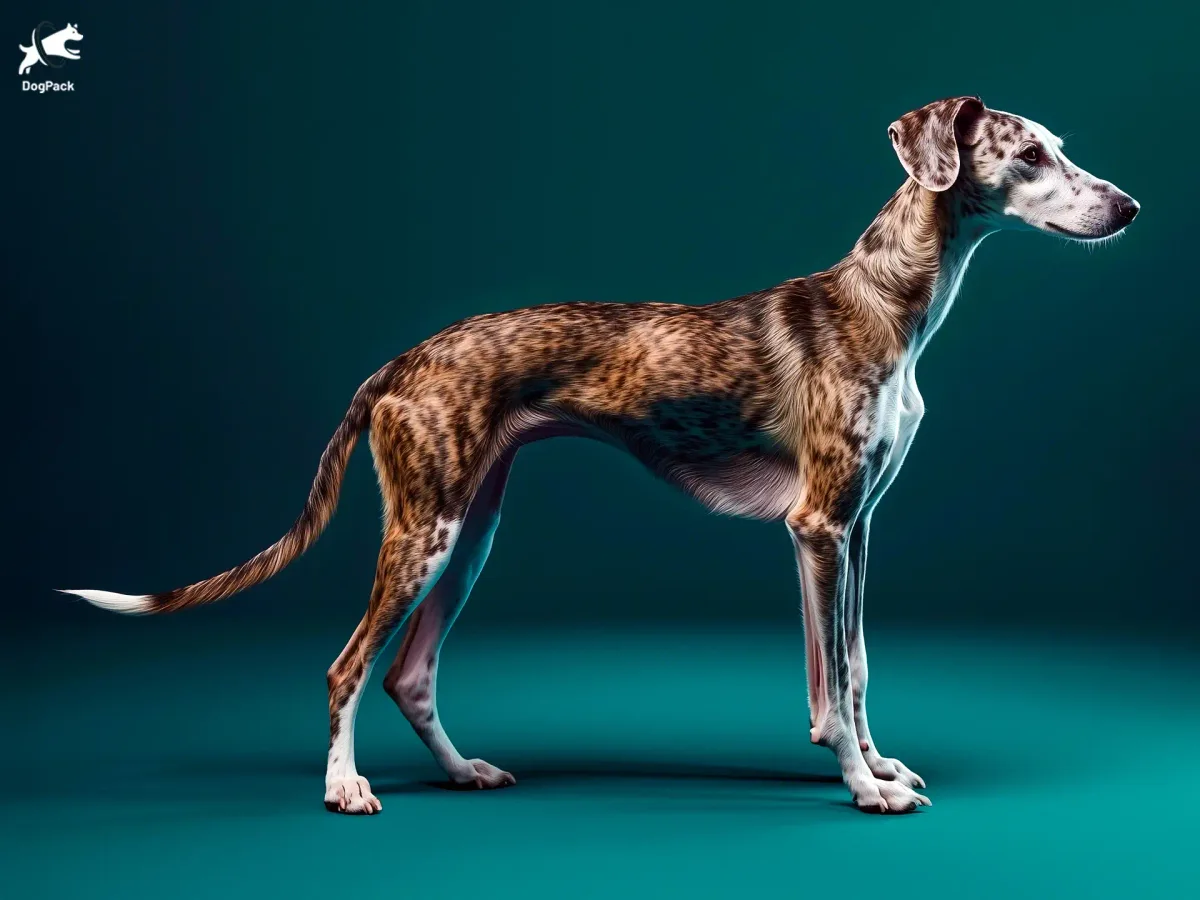
Image source: Web (Bing) / dogpackapp.com (Web image (fair-use with source credit))
Living with a Lurcher:
- Energy: Moderate. They need a sprint opportunity in a fenced yard plus a decent walk.
- Family Fit: Great for older kids. Their prey drive is high, so they'll chase small animals like rabbits or cats.
- Shedding: Minimal. They have a short coat and are clean dogs.
- Training: Moderate. They're smart but easily distracted by movement.
- Watch Out For: Their recall is terrible if they see something fluffy to chase. Leash walks are mandatory in open areas.
One thing you'll notice quickly is their love of comfort. Lurchers will find the softest spot in your house and claim it as their own. They're notorious for stealing sofas, beds, and any available lap.
The rescue network for Lurchers in the UK and Ireland is strong. Many end up in shelters after being abandoned by hunters or racing owners. Adopting a Lurcher gives you a grateful, affectionate companion.
If you live in a smaller home and want a lazy-but-fast, elegant companion who's a bit more independent, the Lurcher is a fantastic rescue dog to consider. They're not for everyone, but the people who love them really love them.
Lhasa Apso: The Independent Watchdog
Most small dogs fall into one of two camps: the snuggly lapdog or the feisty alarm system. The Lhasa Apso somehow manages to be both. This ancient Tibetan breed has been around for over a thousand years, bred to guard Buddhist monasteries.
Their history explains their temperament. These dogs were never bred to be companions. They were bred to be watchdogs.
They're confident, independent, and have a natural suspicion of strangers. They have a big dog attitude in a small dog body.
That independent streak makes training a test of patience. Lhasa Apsos are intelligent but stubborn. They'll obey when they see the point of it, and they often decide that your commands aren't worth their time.
Housebreaking is notoriously difficult with this breed. Consistency and patience are essential.
Living with a Lhasa Apso:
- Energy: Low to moderate. They're happy with a daily walk and indoor play.
- Family Fit: Good for older, respectful children. They don't tolerate rough handling.
- Shedding: Minimal shedding, but their long, dense coat needs daily brushing.
- Training: Challenging. They're stubborn and independent. Early socialization is a must.
- Watch Out For: They're prone to eye issues, including progressive retinal atrophy and dry eye. Regular vet checkups are essential.
If you want a dog that dotes on you all day and doesn't need much exercise, the Lhasa Apso fits the bill. They're also surprisingly adaptable. They do well in apartments and homes with small yards.
However, they bond deeply with one person. They're often aloof with other family members and can be wary of strangers. This makes them excellent watchdogs, but they need careful socialization to avoid becoming reactive.
Grooming is a serious commitment. Their long, silky coat requires daily brushing to prevent mats from forming. Many owners keep their Lhasa trimmed short to reduce grooming time.
If you want a confident, independent companion with a lion's heart and a big personality, the Lhasa Apso is a rewarding breed. Just be prepared for a dog that thinks they're in charge.


