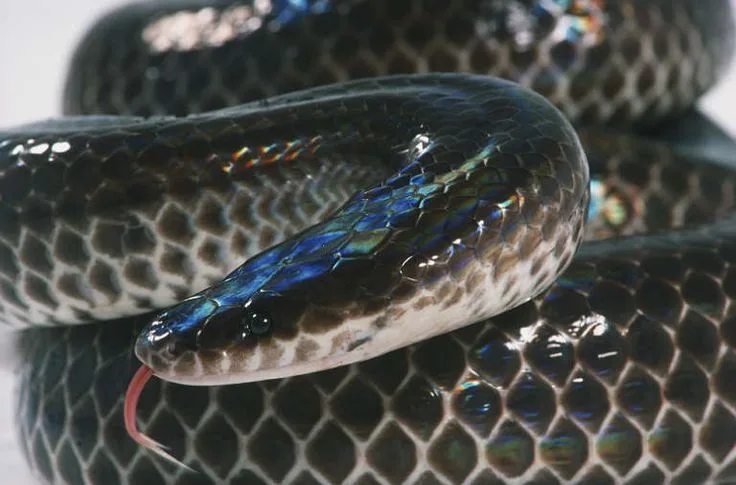
Reptiles That Start with P: Top Species & Facts
If you've been hunting for reptiles that start with p, you already know the list gets messy fast. Common names collide, lookalikes blur, and one genus can hold a dozen species. This guide cuts through the noise using visual cues that actually matter.
As of 2026, the Society for the Study of Amphibians and Reptiles recognizes more than 12,000 reptile species worldwide, and a surprising number carry common names beginning with P. That's why visual identification beats memorizing a list. Once you learn the cues, the letter almost doesn't matter.
If you're also curious about the warm-blooded half of this letter, we've covered the P-named mammals separately.
Quick Answer: The "P" Reptile List at a Glance
The main reptiles that start with p are turtles, snakes, and lizards. Painted turtles, pythons, and pit vipers lead the list. Most are harmless, but some carry venom.
Puff adders and pit vipers deserve real respect. Learn the visual cues, and identification gets easy.
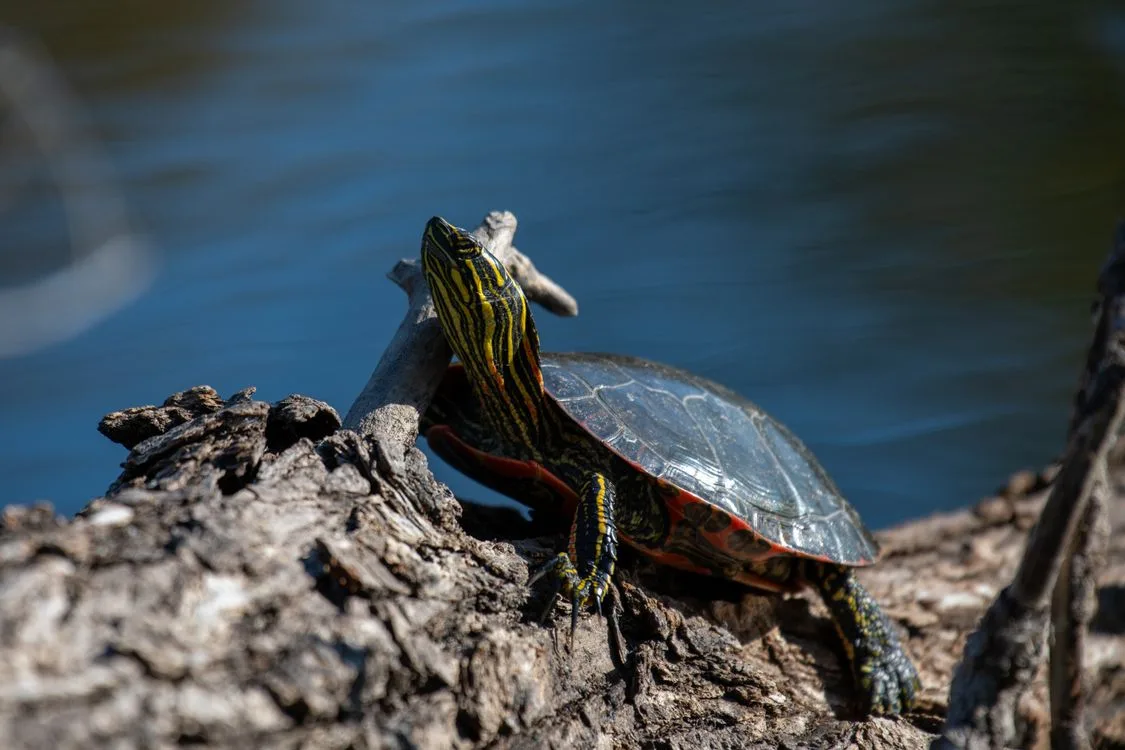
Image source: Bing (Web (fair-use with source credit))
Why Visual Cues Beat Memorizing Names
Common names are a trap. A "pond slider" in one region becomes a "cooter" in another, and what locals call a "pine snake" might not be a true pine snake at all. That's why field guides rely on physical markers instead.
You'll see the same rule in our other reptile guides, where lookalike species force the same discipline.
Every visual ID comes down to four questions: body shape, pattern, head features, and location. Answer those four, and the name usually follows. Herpetologists call this a dichotomous key, a simple yes/no chain that narrows to one answer.
| Visual Cue | What to Check | P-Reptile Example |
|---|---|---|
| Body shape | Flat vs. domed, stout vs. slender | Pancake tortoise vs. ploughshare |
| Pattern | Stripes, blotches, bands, zigzags | Puff adder vs. pine snake |
| Head features | Heat pits, crests, rostral scale | Pit viper vs. python |
| Location | Range narrows the ID | Prairie rattlesnake vs. pygmy |
Take the painted turtle and the pond slider. Both bask on logs and live in slow water. But the painted turtle shows red and yellow stripes along its head and shell edges, while the slider carries a red patch behind its eye.
That difference is instant, once you know to check the head.
P Turtles & Tortoises: Reading the Shell and Skin
Turtles are theeasiest group to identify on this whole list. Their shells stay still while you look, and that removes most of the guesswork. You're comparing shape, pattern, and color, not chasing a moving target.
That's why the field guides start here.
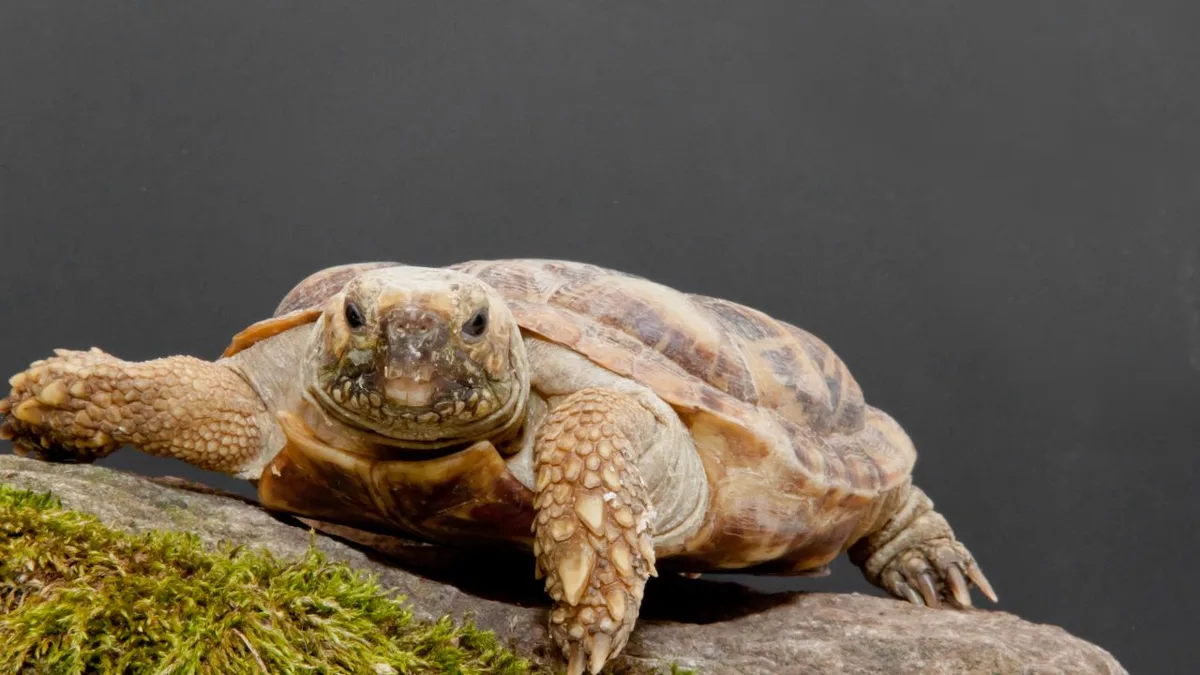
Image source: Web (Bing) / theturtlehub.com (Web image (fair-use with source credit))
Painted Turtle vs. Pond Slider: The Two You'll Actually See
Most backyard pond sightings in North America come down to these two. The painted turtle has a smooth, dark carapace with bright red and yellow stripes running along the head, neck, and shell edges. The pond slider carries a wide red patch behind its eye, and that patch is the fastest single clue to tell them apart.
Size helps too. Adult sliders routinely reach 25 to 30 cm. Painted turtles usually top out around 20 cm.
If you see a big group stacked on a log, it's more likely sliders. Painted turtles do bask together as well, but they tend to be shyer and drop into the water the moment you stop moving.
Pancake Tortoise and Ploughshare: Shell Shapes That Stand Out
These two tortoises sit at opposite ends of the P spectrum. The pancake tortoise is flat, flexible, and feather-light, rarely exceeding 18 cm. The ploughshare tortoise is a heavy, high-domed giant that can reach 50 cm and weigh 20 kg.
The pancake's shell actually bends, which is unheard of in other tortoises. That flexibility lets it wedge into rock cracks on the African savanna and literally inflate itself to lock in place. The ploughshare, meanwhile, carries a dramatic flared shell with a curved gular shield under its chin that acts like a plow blade during male fights.
Both species are in serious trouble. The pancake tortoise is poached heavily for the exotic pet trade. The ploughshare is down to a few hundred wild individuals in Madagascar.
Per the IUCN Red List, it's classified as Critically Endangered, and CITES Appendix I bans all commercial international trade.
Pig-Nosed Turtle and Cooters: The Oddballs
The pig-nosed turtle is the strangest P reptile on this list, hands down. It has a leathery shell, flippers like a sea turtle, and a fleshy snout that genuinely looks like a pig's nose. It lives in freshwater rivers in northern Australia and New Guinea, and it's the only surviving member of its ancient family, Carettochelyidae.
Cooters from the genus Pseudemys are the other big P turtles. They resemble sliders at first glance, but the head is more rounded and the plastron markings are lighter and more intricate. If you see a huge turtle basking alone in a southeastern river, it's probably a cooter.
If you dig the oddballs, you'll enjoy the D-letter lineup too.
P Snakes: Pythons, Pit Vipers, and Pine Snakes
Snakes are where the P list gets serious. Most people asking about them have one question in mind: is it dangerous? Only a handful of P snakes are.
Learn those few first, and the rest become visual fun rather than a safety concern.
How to Spot a Python Without Touching It
Pythons are Old World constrictors. They kill by squeezing rather than with venom. They also lay eggs, which sets them apart from most vipers, and they carry heat-sensing pits along the upper lip called labial pits.
In the pet trade, the ball python dominates the conversation. It's calm, compact at 1.2 to 1.5 m, and can live 30 years in captivity. In the wild, the Burmese python is the headline species.
Adults regularly exceed 5 m and produce clutches of 20 to 80 eggs. The invasive population in the Florida Everglades is tracked closely by the USGS, which has documented steep declines in native mammals across the python's expanding range. If you spot a massive snake down there, report it to Florida wildlife authorities rather than approaching.
Pit Viper ID: Heat Pits, Pupils, and Rattles
Now for the group where correct identification genuinely matters. Pit vipers are venomous, and the name comes from the heat-sensing pit located between the eye and the nostril. That single feature separates them from every harmless lookalike you'll meet.
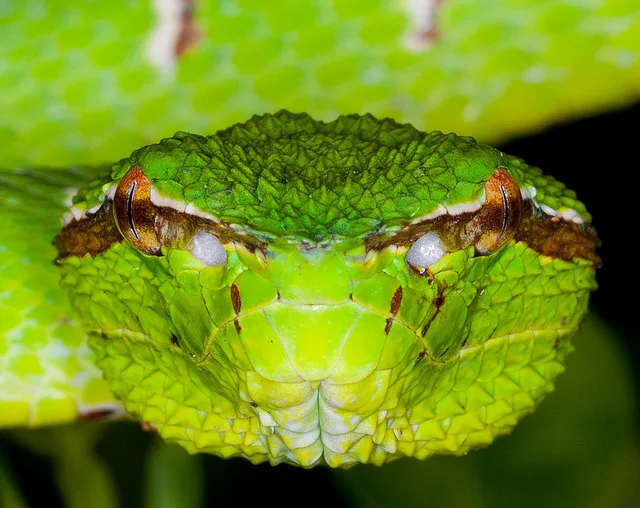
Image source: Bing (Web (fair-use with source credit))
Once you've found the pit, check the pupil. Pit vipers have vertical, cat-like pupils. Most harmless snakes have round pupils.
Head shape is the third cue: broad and triangular, with a distinct neck behind it. All three together give you the pit viper recipe, and you can use it from a safe distance with binoculars.
The P-named pit vipers in North America are the prairie rattlesnake and the pygmy rattlesnake. The prairie rattler lives across the Great Plains and reaches 0.9 to 1.4 m. The pygmy rattler is a compact southeastern species that rarely passes 60 cm, and its tiny rattle sounds like a buzzing insect more than a warning.
Both deserve the same respect: give them space, never poke or block them, and move slowly away.
Pine Snakes and Puff Adders: Pattern and Posture Clues
Pine snakes are harmless North American burrowers from the genus Pituophis. They hiss loudly and flatten their heads when alarmed, which makes careless observers think they've found a viper. The giveaway is the narrow head, the enlarged rostral scale on the snout, and the complete absence of a rattle.
The puff adder is the opposite story. It's one of Africa's most dangerous snakes, responsible for more recorded bites across the continent than any other species. It's short, thick, and heavily patterned with chevrons and zigzags that disappear into dry grass.
It's an ambush predator, so it relies on camouflage rather than retreat.
The visual contrast is sharp: a pine snake is long, slender, and pointed of face, while a puff adder is stout, blunt-headed, and heavy-bodied. One is a shy burrower. The other sits still and strikes when stepped on.
Location settles any doubt, because pine snakes only live in North America and puff adders only live in Africa and the Arabian Peninsula.
P Lizards: Chameleons, Basilisks, and Skinks
The lizard side of the P list is the most colorful. It also overlaps heavily with the pet trade, so these are the species people photograph in terrariums as often as in the wild. Every one has a reliable visual anchor that makes identification easy.
Panther vs. Parson's Chameleon: Size and Color Signals
Both come from Madagascar, and both look spectacular. The panther chameleon is the rainbow species that dominates wildlife photography, shifting through blues, greens, oranges, and reds depending on its home region. Males reach 40 to 50 cm in total length.
Females are smaller and much less vivid.

Image source: Web (Bing) / chameleonacademy.com (Web image (fair-use with source credit))
The Parson's chameleon is the giant. It's among the largest chameleons on Earth, with males reaching 68 cm from nose to tail tip. It moves in slow, deliberate steps and shows mostly muted green and turquoise tones.
If a chameleon stretches past your forearm, it's a Parson's. Without question.
Neither is a beginner pet. Both need high humidity, strong UVB lighting, and a varied insect diet. Panther chameleons are known for dying in captivity when their environmental needs are missed.
Parson's chameleons are even more sensitive and take years to breed successfully. Research the climate they need before ever considering one.
Plumed Basilisk and Sailfin Lizard: Crests and Running Styles
The plumed basilisk is the lizard that runs on water. It's a bright green Central American species with a tall head crest, and it sprints across stream surfaces on its hind legs when threatened. If you see a lizard literally running on water, that's your basilisk.
No other P lizard does that.
The Philippine sailfin lizard is a completely different animal. It's a semiaquatic species that reaches 90 cm overall, with a tall sail-like fin running down its tail and back. During breeding season, males develop a striking orange head.
They spend their time basking on branches over rivers and diving in when startled, and they can hold their breath underwater for up to 15 minutes.
Pink-Tongued Skink, Horned Lizards, and Day Geckos: Easy Marks
The pink-tongued skink is an Australian species named for the bright pink tongue it flashes when scared. It's calm, slow-moving, and reaches about 45 cm. If you're comparing it to the famous blue-tongue skink, the tongue color settles it instantly.
Horned lizards are the so-called "horny toads" of the American Southwest. Despite the nickname, they're true lizards, and they're famous for the horns on their heads and their flattened, spiny bodies. The Texas horned lizard is the best-known species.
A few types can even squirt blood from their eyes as a defense mechanism, which is as wild as it sounds.
Day geckos from the genus Phelsuma are the brightest members of the P lizard family. They're emerald green with red and blue markings, active during daylight, and endemic to Madagascar and neighboring islands. They're quick, delicate, and hate being handled, so most keepers treat them as display animals.
That's a fair description, because few reptiles photograph better.
The Lookalike Problem: Common Visual Mix-Ups
Most misidentifications happen when two species share a habitat and a similar silhouette. Here are the three mixes we see most often, and the one cue that settles each.
- Harmless water snakes vs. pit vipers. Water snakes have round pupils and no facial pit. Pit vipers have the heat pit, vertical pupils, and a distinctly broader head. Don't judge by swimming style alone, because plenty of harmless species swim just as fast.
- Pygmy rattlesnake vs. juvenile pine snake. Pygmy rattlers are stocky, gray, and small. Juvenile pine snakes are slender, tan, and patterned. The rattler carries a tiny rattle and a heat pit. The pine snake has neither.
- Green iguana vs. plumed basilisk. Iguanas are bulky, with spinier crests. Basilisks are slimmer and carry a tall head fin. If the lizard fled on its hind legs over water, you're looking at a basilisk.
If you're ever unsure, stop. Look for the pit, then check the pupil. When in doubt, back away and treat the animal as venomous.
The same discipline applies to A-named reptiles, where lookalikes hide behind common names.
Quick Field Reference Chart: Size, Range, and Risk
Here's a fast reference for the P reptiles you're most likely to meet, with adult sizes and risk levels.
| Species | Adult Size | Where You'll Find It | Risk |
|---|---|---|---|
| Painted turtle | 12–20 cm | North America | None |
| Ball python | 1.2–1.5 m | Sub-Saharan Africa / captivity | Constrictor |
| Burmese python | up to 5.5 m | Southeast Asia / Florida | Constrictor |
| Prairie rattlesnake | 0.9–1.4 m | Great Plains | Venomous |
| Pygmy rattlesnake | 40–60 cm | Southeastern US | Venomous |
| Puff adder | 0.8–1.3 m | Sub-Saharan Africa | Venomous, high bite risk |
| Pancake tortoise | 15–18 cm | East Africa | None (endangered) |
All sizes are adult averages. In our research, wild specimens vary by region and season.
P Reptiles You Might Actually Keep as Pets
If you're shopping for a reptile, several P species are household names.
- Ball python. Calm and docile, but needs high humidity and a securely locking enclosure.
- Bearded dragon (Pogona). Hardy and handleable, with simple heat and UVB requirements.
- Pink-tongued skink. Slow, calm, and easier to manage than many other skinks.
- Day gecko (Phelsuma). Stunning to look at, but fragile and better for display than handling.
Painted turtles and pancake tortoises are not beginners' pets. Turtles need large aquatic setups, and pancake tortoises are often illegally collected. Check your state laws before buying either.
If you want more unusual options, our B-letter animal list has plenty of surprises.
Safety First: Which P Snakes Are Venomous?
The venomous P snakes fall into two groups: pit vipers and puff adders.
Pit vipers include the prairie rattlesnake and pygmy rattlesnake. The heat pit between the eye and nostril is your strongest cue. Add vertical pupils and a broad head, and you've got a clear venomous warning.
The puff adder is a different story. It's a heavy-bodied African viper that relies on camouflage, so people step on it easily. It's responsible for more serious bites across Africa than any other snake.
Pythons are not venomous. They're constrictors, though a large Burmese python can still injure you. In Florida, report any python you see to state wildlife officials instead of approaching.
For snakebite first aid, the CDC's venomous snake guidance is the gold standard.
Mistakes to Avoid When Identifying P Reptiles
A few errors cause most ID mistakes. Watch for these.
- Relying on head shape alone. Many harmless snakes flatten their heads to bluff.
- Ignoring location. A puff adder in Africa and a pine snake in North America can look similar in a blurry photo.
- Trusting common names. "Pond slider" means different things in different regions.
- Judging risk by pattern. Juvenile pygmy rattlers are gray with faint bands, not the classic diamond pattern.
- Missing the heat pit. That single gap between the eye and nostril separates dangerous from harmless.
Take your time, look for the pit, and when in doubt, give the animal space. That habit beats any app or field guide.
Frequently Asked Questions
Are there venomous reptiles that start with p?
Yes, and they're worth knowing. Pit vipers like the prairie rattlesnake and pygmy rattlesnake carry venom. The puff adder in Africa is arguably the most dangerous P snake.
None of them chase you unprovoked. Learn their heat pits, and you'll spot them from a safe distance.
What is the most popular pet reptile starting with p?
The ball python is the clear winner. It's calm, compact, and lives 30 years in captivity. Bearded dragons from the Pogona genus are close behind.
Both need proper lighting, heating, and humidity to thrive.
What is the rarest reptile that starts with p?
The ploughshare tortoise is the rarest. Only a few hundred remain in Madagascar. It's critically endangered under the IUCN Red List, and CITES Appendix I bans its trade.
The pancake tortoise is also heavily poached.
Which P reptiles are invasive in the United States?
The Burmese python is the big one. It's established in the Florida Everglades, and wildlife agencies run removal programs. They're constrictors, not venomous, but they wreak havoc on native mammals.
Report sightings to the state.
Do all reptiles that start with p lay eggs?
No. Puff adders and pygmy rattlesnakes give live birth. Pythons, turtles, and most lizards lay eggs.
The pink-tongued skink also gives birth to live young. Reproduction varies more than most people expect.
Final Verdict: Your Next Step for a Confident ID
You don't need to memorize every P reptile. Start with the five you're most likely to see: painted turtle, ball python, prairie rattlesnake, panther chameleon, and pancake tortoise. Learn their shells, pits, and patterns.
When you're out in the field, check the heat pit first if a snake looks dangerous. Then look at the pupil and head shape. Give any animal you can't identify space and take a photo from a distance.
That's the whole method. It's the same one herpetologists use, and it works.