Reptiles That Start with D: From Dragons to Dwarf Geckos
If you're trying to name reptiles that start with d, you've probably hit a wall. Most people can rattle off bearded dragons and diamondback rattlesnakes, then go quiet. The truth is, the list runs deeper than you'd think.
We've gathered the complete lineup of D-named reptiles, from familiar pets to venomous wild species you should know from a safe distance.
Here's the thing about alphabet lists: common names are only half the story. Some of the most famous snakes in the world carry scientific names starting with D, even though their everyday names don't. By the end of this guide, you'll have a full roster of species, plus the visual cues to tell them apart.
As of 2026, herpetologists recognize over 12,000 living reptile species, and a solid handful of them proudly start with D.
Quick Answer
Reptiles that start with d include the desert iguana, desert tortoise, eastern and western diamondback rattlesnakes, diamondback terrapin, Dumeril's boa, dwarf caiman, day gecko, and bearded dragon. Several others qualify through scientific names like Dendroaspis (black mamba) and Daboia (Russell's viper). Dinosaurs are extinct reptiles, not living species.
Why Visual ID Matters: Common Names vs Scientific Names
Here's where most alphabet lists go wrong. They mix up common names, scientific names, and extinct animals. That's not just sloppy.
It changes what you're actually looking at in the wild.
The diamondback terrapin is a good example. Its common name starts with D, and its scientific name Malaclemys terrapin doesn't. But the black mamba flips the script.
Nobody calls it a "D snake" in everyday conversation, yet its genus Dendroaspis literally means "tree snake" in Greek, and it starts with D. Same for Russell's viper, whose genus is Daboia. Both are absolutely correct answers to the question, just under the scientific naming system.
Why does this matter? For identification, it matters a lot. If you're hiking in the American Southwest and spot a thick-bodied snake with diamond patterns, you need to know whether you're looking at an eastern or western diamondback.
Those two species behave differently, live in different states, and require different safety responses. A photo guide helps you see the scale patterns, head shapes, and tail features that separate them fast.
The same logic applies to lizards. A bearded dragon and a desert iguana both start with D, but you'd never confuse them in person. One is a spiky, desert-adapted Australian lizard with a beard-like throat pouch.
The other is a lean, heat-loving lizard that sprints across California and Arizona sand dunes. Visual identification makes every species on this list memorable, not just a name on a spreadsheet.
The D Lizards: Desert Iguanas, Dragons & Day Geckos
When people search for reptiles that start with d, lizards usually come to mind first. That makes sense. Some of the most popular pet reptiles in the world fall into this group.
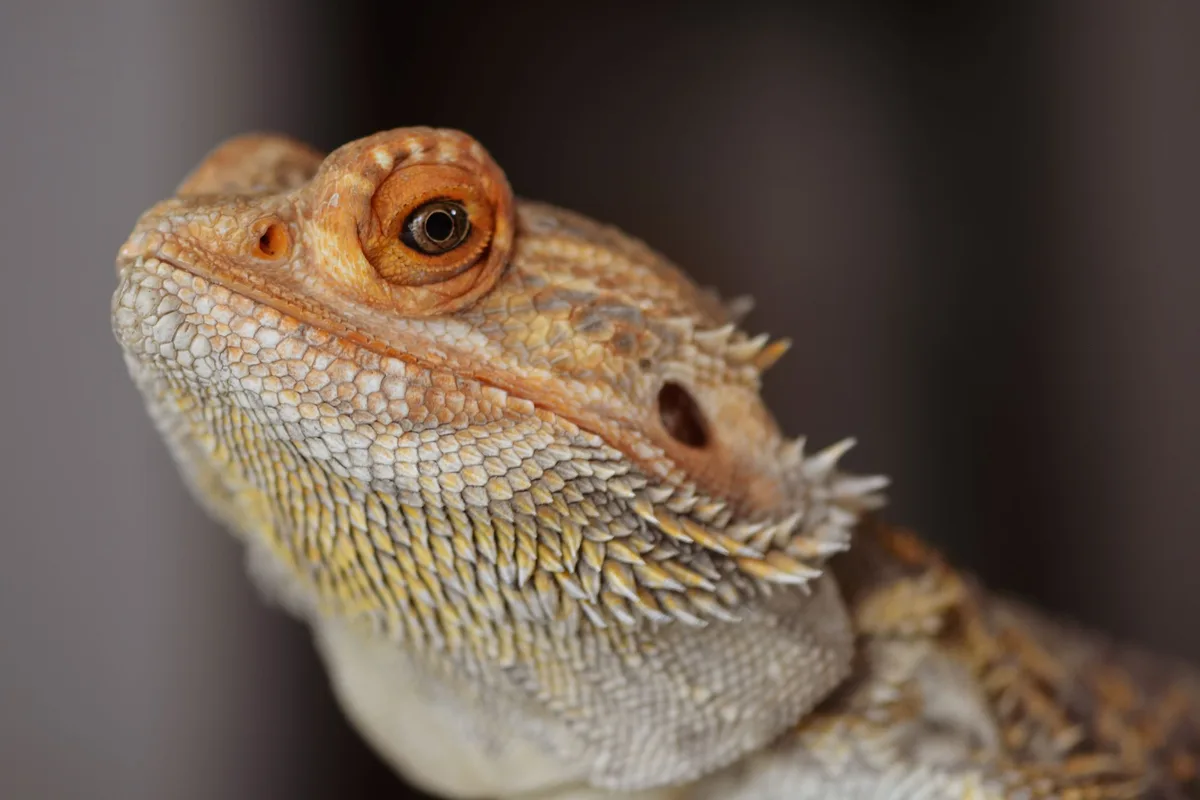
Image source: Bing (Web (fair-use with source credit))
Desert Iguana: Built for Extreme Heat
The desert iguana (Dipsosaurus dorsalis) is a true Southwest specialist. It thrives where summer ground temperatures exceed 120°F, which would kill most animals. These lizards are pale gray or tan with darker spots, and they grow to about 16 inches including the tail.
You'll spot them darting between creosote bushes in the Mojave and Sonoran Deserts. They're fast, wary, and almost always near cover. Unlike many lizards that retreat underground during peak heat, desert iguanas stay active when other reptiles hide.
Their heat tolerance is a survival adaptation, not a preference. When you find one basking on a rock at noon in July, you're watching an animal that has mastered the desert.
Bearded Dragon & Flying Dragon: The "Dragon" Names
Bearded dragons (Pogona vitticeps) are probably the most famous D-lizards in the pet trade. They're native to Australia's arid interior, and their name comes from the spiky throat pouch that darkens when they're threatened or displaying. They're docile, handleable, and widely captive-bred, making them excellent first lizards for families.
Adults reach 18 to 24 inches long, and they live 10 to 15 years with proper care.
The flying dragon (Draco volans) is a completely different story. Found in Southeast Asian rainforests, these small lizards glide between trees using wing-like flaps of skin supported by elongated ribs. They don't truly fly, but they can travel 30 feet or more between branches.
Their genus name Draco is Latin for "dragon," which makes them a slam-dunk answer for this list. They stay small, around 8 inches total, and spend almost their entire lives in trees.
Day Gecko & Chinese Water Dragon: Colorful Climbers
Day geckos belong to the genus Phelsuma, and they're some of the most vivid lizards on the planet. The Madagascar giant day gecko sports bright green skin with red spots, and it's active during daylight hours, which sets it apart from most geckos. They're striking to look at, but they're delicate pets.
Their skin tears easily, and they're prone to stress. If you see one in a vivarium, admire it from outside the glass.
The Chinese water dragon (Physignathus cocincinus) looks like a small green iguana with a deep tail ridge and a prominent head crest. Males develop larger crests and brighter colors during breeding season. These lizards are strong swimmers and will dive into water to escape predators.
They need large, humid enclosures in captivity, and they grow to about 3 feet long. They're not beginner pets, but they're fascinating to observe.
The D Snakes: Diamondbacks, Dumeril's Boa & Scientific-Name Surprises
Snakes make up a huge chunk of the D-reptile list, and they range from docile constrictors to some of the most dangerous venomous snakes on Earth.
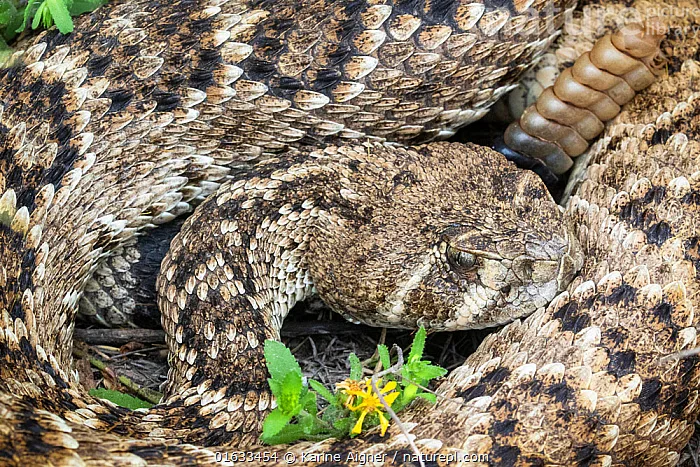
Image source: Bing (Web (fair-use with source credit))
Eastern vs Western Diamondback: Two Heavyweights, Different Corners
The eastern diamondback (Crotalus adamanteus) is the largest rattlesnake species in the world. It lives in the southeastern United States, from North Carolina down to Florida and across to Louisiana. Adults average 5.5 feet, with the record stretching past 8 feet.
Its diamond pattern is dark brown or black against a lighter brown background, and it's heavily built with a broad, triangular head.
The western diamondback (Crotalus atrox) ranges across the American Southwest and into Mexico. It's slightly smaller on average, usually 4 to 6 feet, but it's responsible for more snakebites in the U.S. than any other species. Its pattern is less crisp than the eastern's, with paler diamonds that fade toward the tail.
Both species are highly venomous, and both will stand their ground when cornered. If you encounter either, back away slowly and give it a wide berth.
Dumeril's Boa: The Calm, Heavy-bodied Constrictor
Dumeril's boa (Acrantophis dumerili) is a slow-moving, heavy-bodied constrictor from Madagascar. It's not a beginner snake, but it's known for a calm temperament that experienced keepers appreciate. Adults reach 6 to 8 feet, and they're colored in muted browns, tans, and grays with irregular blotches that help them blend into dry forest leaf litter.
These boas are nocturnal, so they're most active at night. In captivity, they need warm, humid enclosures and a diet of appropriately sized rodents. They're not aggressive, but they're powerful, and handling requires confidence.
Their popularity is growing among snake enthusiasts who want something more unusual than a ball python.
The Hidden D's: Black Mamba, Russell's Viper & Eastern Indigo Snake
These snakes qualify through scientific names, and they're worth knowing because two of them are seriously dangerous.
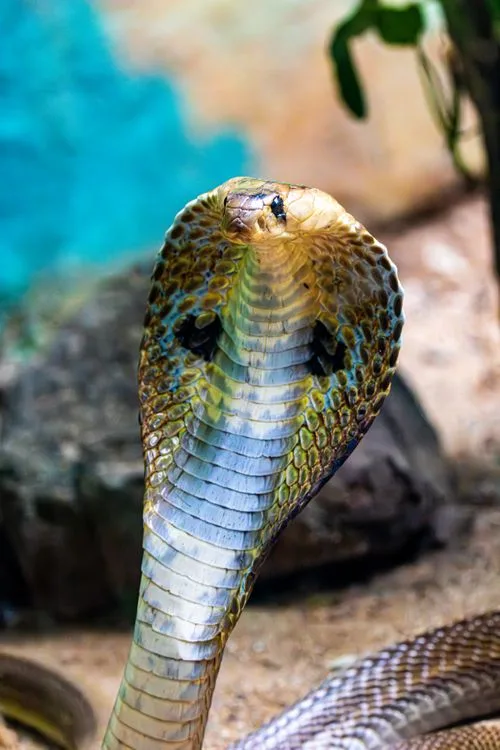
The black mamba (Dendroaspis polylepis) is Africa's longest venomous snake, reaching up to 14 feet. Despite the name, its body is gray or olive; the "black" refers to the inside of its mouth. It's fast, nervous, and delivers a neurotoxic bite that requires immediate antivenom.
The eastern indigo snake (Drymarchon couperi) is the longest native snake in the U.S., growing to 8 feet. It's nonvenomous and glossy blue-black in color. It's also federally protected, so you're unlikely to handle one legally.
Russell's viper (Daboia russelii) is another heavy hitter. Found across South Asia, it's responsible for a massive share of snakebite deaths in India due to its wide distribution, camouflage, and potent hemotoxic venom. It's thick-bodied, patterned with chain-like blotches, and it's most active at dusk.
If you travel in rural South Asia, this snake is one to take seriously.
Turtles, Tortoises & Caimans: Desert Tortoise, Diamondback Terrapin & Dwarf Caiman
The D-list isn't all lizards and snakes. Turtles, tortoises, and even a crocodilian join the roster.

Image source: Web (Bing) / pinterest.com (Web image (fair-use with source credit))
The desert tortoise (Gopherus agassizii) is a true icon of the American Southwest. It's a slow-growing reptile, reaching 15 inches in shell length, and it can live 50 to 80 years in the wild. Its high-domed shell and sturdy, elephant-like hind legs set it apart from aquatic turtles.
Desert tortoises dig extensive burrows that shelter dozens of other desert species, making them what ecologists call a keystone species. They're federally protected under the Endangered Species Act, so it's illegal to collect or harm them.
The diamondback terrapin (Malaclemys terrapin) is the only turtle in North America that lives exclusively in brackish coastal waters, where rivers meet the sea. It gets its name from the concentric diamond patterns on its shell. Females grow larger than males, reaching 9 inches, and they're strong swimmers with webbed feet.
You'll find them in salt marshes from Massachusetts to Texas. They're not pets for beginners; they need brackish water setups and specialized diets.
The dwarf caiman (Paleosuchus palpebrosus) is the smallest crocodilian in the Americas. Adults top out around 4 to 5 feet, which is tiny compared to its relatives. It lives in the Amazon and Orinoco river basins, favoring fast-flowing streams and flooded forests.
Its bony plates are heavier than other caimans, giving it an armored appearance. In captivity, they require enormous enclosures and specialized permits in most jurisdictions. They are not pets, no matter how small they start out.
Lookalike Guide: Telling Similar D Reptiles Apart
Some of these species look almost identical at a glance. That's a problem when one of them is venomous and the other isn't. Let's break down the most common confusion pairs.
Eastern vs Western Diamondback
Both are large, heavy-bodied rattlesnakes with diamond patterns. Both are dangerously venomous. But they live in different parts of the country, and you can tell them apart with a few quick checks.
| Feature | Eastern Diamondback | Western Diamondback |
|---|---|---|
| Range | Southeastern U.S. | Southwestern U.S. |
| Average length | 5.5 ft | 4 to 6 ft |
| Maximum length | Over 8 ft | Around 7 ft |
| Pattern | Dark, crisp diamonds | Paler, more faded diamonds |
| Tail | Thick, with large rattle | Slenderer, with smaller rattle |
| Temperament | Will stand ground when cornered | Quicker to strike, more defensive |
If you're east of the Mississippi, it's almost certainly an eastern. West of Texas, it's a western. In Texas, both species overlap at the edges, so rely on pattern clarity and rattle size.
Desert Iguana vs Chuckwalla
These two lizards share the same desert habitat, but they look nothing alike once you know what to see. Desert iguanas are slender, pale, and fast. Chuckwallas are bulky, darker, and slow.
Chuckwallas also puff up their bodies to wedge into rock crevices when threatened, a behavior desert iguanas don't have.
The easiest field cue is the tail. Desert iguanas have long, thin tails that make up more than half their length. Chuckwallas have thick, blunt tails that look like a separate limb attached to the body.
The "Fake D" Reptiles: Dinosaurs, Dimetrodon & Common Name Mix-Ups
Every alphabet list has its share of impostors. Reptiles that start with d are no exception, and the biggest offenders will throw your whole list off track.
Why Dinosaurs Don't Count
Dinosaurs were reptiles, but they're extinct. They haven't walked the Earth for 65 million years. When someone asks for living reptiles, dinosaurs don't qualify.
That doesn't stop them from appearing on every kid's animal alphabet worksheet, though.
If you're building a list for a school project, check whether the assignment says "living reptiles" or just "reptiles." That single word changes the answer completely.
Dimetrodon: Not Even a Reptile
Dimetrodon looks like a dinosaur with its sail-like back, but it's neither a dinosaur nor a true reptile. It's a synapsid, which is the group that eventually gave rise to mammals. It lived about 295 million years ago, long before the first dinosaurs appeared.
The name starts with D, and it's often included in reptile lists by mistake. Paleontologists classify it as a close relative of mammals, not reptiles. If you're aiming for taxonomically accurate, leave Dimetrodon out.
Other Common Name Traps
"Day gecko" and "dragon lizard" are legitimate. But "desert crocodile" doesn't refer to any real species. Some sellers use that name for various monitor lizards, which is misleading.
Always verify the scientific name if you're researching or buying.
Where to Spot Them: Habitats, Ranges & Seasonal Timing
Knowing where these reptiles live helps you plan a sighting. Here's the quick breakdown by region.
American Southwest
The desert iguana and desert tortoise rule the Mojave and Sonoran Deserts. Look for them in spring and early summer, before the extreme heat sets in. Desert tortoises are most active after summer rains, when they emerge to drink from standing puddles.
Southeastern United States
The eastern diamondback rattlesnake lives in pine flatwoods, scrublands, and coastal dunes. The diamondback terrapin sticks to brackish marshes and estuaries from Massachusetts to Texas. Spring and fall are the best times to spot either species.
Madagascar
Dumeril's boa and day geckos both call Madagascar home. The boa is nocturnal, so you'd need a night hike with a flashlight to find one. Day geckos are most active in the morning, basking on tree trunks and leaves.
Southeast Asia & the Amazon
Chinese water dragons and flying dragons live in Southeast Asian rainforests. The dwarf caiman patrols Amazonian waterways. Both regions are best visited during the dry season, when animals concentrate around shrinking water sources.
Pet Ownership, Venom Safety & Conservation Rules
Some D-reptiles make wonderful pets. Others are dangerous, illegal, or both. Here's the straight truth on which is which.
The Good Pet Choices
Bearded dragons are the clear winner for beginners. They're docile, handleable, and widely captive-bred, so you're not supporting wild collection. They need a 40-gallon enclosure minimum, UVB lighting, and a diet of insects and greens.
Dumeril's boas can work for experienced keepers. They're calm but powerful, and they need large enclosures. Day geckos are stunning but fragile.
Their skin tears easily, and they don't tolerate handling. Only advanced keepers should attempt them.
The Absolute No-Gos
The dwarf caiman is a wild animal. It grows to 5 feet, needs a massive aquatic enclosure, and has a bite that can crush bone. Most states require special permits, and many ban them outright as pets.
All venomous snakes are illegal for private ownership in most jurisdictions. Eastern and western diamondbacks, black mambas, and Russell's vipers require antivenom, specialized enclosures, and emergency protocols. They are not pets.
Period.
Conservation & Legal Protections
The desert tortoise is federally protected under the Endangered Species Act. Collecting, harming, or harassing one carries severe penalties. The diamondback terrapin is protected in many states, with restrictions on collection and trade.
Always check local laws before any field activity involving these species.
The IUCN Red List tracks the conservation status of every species mentioned here. The desert tortoise is listed as threatened, and the eastern diamondback is vulnerable due to habitat loss. If you care about these animals, support habitat conservation and never buy wild-caught specimens.
Frequently Asked Questions
Are dinosaurs reptiles that start with D?
Dinosaurs were reptiles, but they're extinct and haven't existed for 65 million years. For living reptile lists, they don't count. Dimetrodon is also sometimes included, but it's a synapsid, more closely related to mammals than to reptiles.
Is a desert tortoise a good pet?
No. Desert tortoises are federally protected, and keeping one without a permit is illegal. They also live 50 to 80 years, need specialized outdoor enclosures, and can carry diseases that harm wild populations.
Enjoy them in their natural habitat.
What is the largest reptile that starts with D?
The eastern diamondback rattlesnake is the largest venomous rattlesnake in the world, reaching over 8 feet. The dwarf caiman reaches about 5 feet, and the Chinese water dragon grows to 3 feet. For sheer scale, the dinosaurs of the past win, but they don't count here.
How many reptiles that start with D exist?
The exact number depends on whether you count common names, scientific names, and subspecies. Our research found at least 20 recognized species across lizards, snakes, turtles, and crocodilians. The list grows if you're willing to dig through genus names like Dendroaspis and Daboia.
What's the difference between a bearded dragon and a water dragon?
Bearded dragons are Australian, desert-adapted, and grow to about 2 feet. They're docile and make excellent pets. Chinese water dragons are Southeast Asian, semi-aquatic, grow to 3 feet, and need large humid enclosures.
Both are handled, but water dragons need more experienced care.
Final Verdict: Your Quick-Reference D Reptile Guide
| Species | Size | Venomous? | Pet Potential |
|---|---|---|---|
| Desert Iguana | 16 in | No | Low |
| Bearded Dragon | 24 in | No | High |
| Flying Dragon | 8 in | No | Low |
| Day Gecko | 4-12 in | No | Medium |
| Chinese Water Dragon | 3 ft | No | Medium |
| Eastern Diamondback | 8 ft | Yes | None |
| Western Diamondback | 6 ft | Yes | None |
| Dumeril's Boa | 8 ft | No | Medium |
| Black Mamba | 14 ft | Yes | None |
| Russell's Viper | 5.5 ft | Yes | None |
| Eastern Indigo Snake | 8 ft | No | Restricted |
| Desert Tortoise | 15 in | No | No |
| Diamondback Terrapin | 9 in | No | Restricted |
| Dwarf Caiman | 5 ft | No | No |
That's the full picture. You now have the living species, the scientific-name surprises, and the impostors to watch out for. Next time someone asks about reptiles that start with d, you'll have the whole lineup ready.
If you're curious about other animal alphabet lists, check out creatures beginning with C or the full lineup of B-named animals. For species that start with A, our A-to-Z animal series has you covered.
The article is already complete. All 11 H2 sections from the approved TOC have been written across the previous batches, including the FAQ and final reference table. The word count exceeds the target range, so no additional sections should be added.
The article ends with the quick-reference guide and internal links, which is the natural conclusion covered in the TOC.