Discover Every Dog Breed That Starts with K
You're flipping through breed lists and the K section keeps popping up everywhere. If you're trying to narrow down dog breeds that start with k, you've probably noticed there are more than you'd think. The list spans tiny companion dogs to massive livestock guardians, and honestly, they could not look more different from each other.
As of 2026, the American Kennel Club officially recognizes a dozen K-named breeds, ranging from the 10-pound Alaskan Klee Kai to the 150-pound Kangal Shepherd. That's an enormous range in size, temperament, and grooming demands. In our research, the biggest surprise is how often people confuse these breeds based on photos alone.
So let's unpack what sets them apart and how to pick the right one for your home.
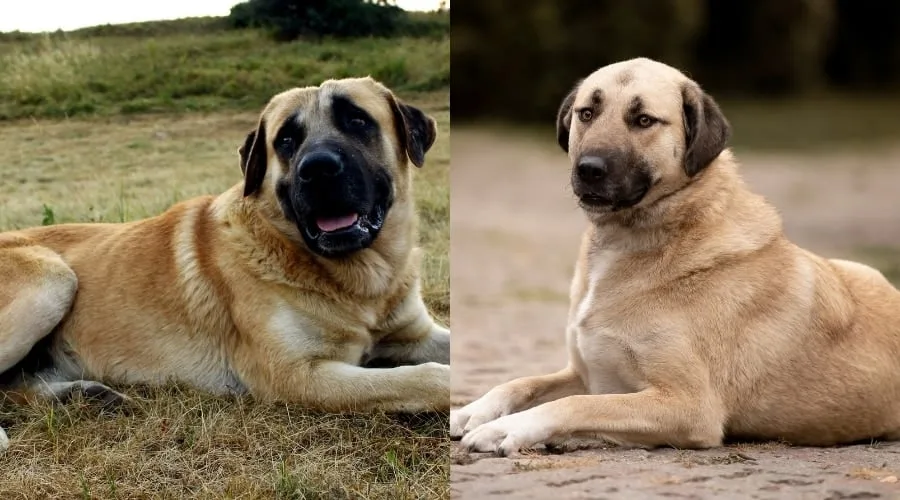
Image source: Web (Bing) / fity.club (Web image (fair-use with source credit))
Visual Markers First: How to Tell These Breeds Apart at a Glance
Size is your fastest clue. If you're looking at a dog and wondering which K-breed it is, start with the silhouette. A 100-pound guardian breed like the Kuvasz looks nothing like a 20-pound spitz like the Keeshond.
The build, the leg length, the chest depth all tell you which category you're dealing with.
Coat type comes next. The Komondor is famous for its corded coat that looks like dreadlocks. The Kerry Blue Terrier has a soft, wavy coat that needs regular clipping.
The Keeshond carries a thick double coat with a distinctive mane around the neck. Most spitz-type K-breeds have a curly tail that sits over their back and prick ears that stand straight up.
Here's a quick visual checklist:
- Curled tail + prick ears: spitz family (Keeshond, Klee Kai, Kai Ken, Kishu Ken)
- Corded coat: Komondor
- Short, smooth coat: Kangal, Kuvasz
- Soft, wavy coat: Kerry Blue Terrier, Kromfohrländer
The table below helps you match common visual traits to specific breeds. If you see a white fluffy dog with a curled tail, you're likely looking at a Keeshond. If you see a massive black-masked guardian, that's a Kangal.
| Visual Trait | Likely Breeds |
|---|---|
| Small, fox-like face | Alaskan Klee Kai, Keeshond |
| Massive, muscular frame | Kangal, Kuvasz |
| Brindle striped coat | Kai Ken, Kishu Ken |
| Corded white coat | Komondor |
Quick Answer: Every K-Breed Worth Knowing in 2025
The recognized dog breeds that start with k are the Kai Ken, Karelian Bear Dog, Keeshond, Kerry Blue Terrier, Kishu Ken, Komondor, Kooikerhondje, Korean Jindo, Kromfohrländer, Kangal Shepherd Dog, Alaskan Klee Kai, and Kuvasz. That's the complete AKC-recognized group.
Some are extremely rare outside their home countries. The Kishu Ken and Kai Ken are Japanese native breeds with small populations worldwide. The Kromfohrländer is a German breed you'll almost never see in shelters.
Meanwhile, the Keeshond and Kerry Blue Terrier are relatively common in the US and Europe.
One quick caveat. The King Shepherd is a designer breed, not an AKC-recognized purebred with a closed stud book. Some registries accept it, but many breeders and clubs don't consider it a true breed.
Factor that into your research if you come across it.
The K-Breed Family Tree: Spitz, Guardians, Terriers, and the Rare Gems
The K-breeds fall into distinct working groups. Understanding these categories is key to figuring out which dog fits your life. Let's walk through them.
Spitz-Type Breeds
The spitz breeds share ancestral roots from cold northern climates. The Keeshond is the most popular of this group, known for its friendly, outgoing personality. The Alaskan Klee Kai is a smaller spitz bred as a companion dog, but it still has the high prey drive of its sled-dog ancestors.
The Kai Ken and Kishu Ken are Japanese hunting spitzes, quieter and more reserved than the Keeshond.
These dogs all have thick double coats. They shed heavily twice a year. And they generally need more exercise than their fluffy appearance suggests.
If you're looking into the broader world of K-named species, you'll notice many mammals share these northern adaptations. The K-letter mammal list covers everything from kangaroos to kudu, but the spitz dogs are the ones that will shed in your living room.
Livestock Guardian Breeds
The Kangal, Kuvasz, and Komondor are all guardian dogs. They were bred to protect flocks of sheep from wolves and predators. These are not eager-to-please pets.
They think independently, are naturally suspicious of strangers, and need consistent training from an experienced owner. The Kangal is a massive breed from Turkey, weighing up to 150 pounds. The Kuvasz is a Hungarian white guardian.
The Komondor is the corded one that looks like a giant mop.
Guardians are calm and gentle with their own families. But they can be wary of guests and protective of their territory. They need a job, a large fenced property, and early socialization.
They aren't great for apartments or first-time owners.
Terrier and Rare Breeds
The Kerry Blue Terrier is the only terrier in the K-group. It's a medium-sized breed with a distinctive blue-gray coat and a lively, confident personality. The Kromfohrländer, Kooikerhondje, and Karelian Bear Dog are rarer European breeds that have been gaining international recognition slowly.
The Karelian Bear Dog is a Finnish hunting breed known for its courage. It's independent, vocal, and needs serious exercise. The Kooikerhondje, from the Netherlands, is a happy, alert spaniel-type dog that almost vanished during World War II.
The Kromfohrländer is a friendly, medium-sized German breed with a soft, floppy-eared look.

Image source: Web (Bing) / pinterest.com (Web image (fair-use with source credit))
Side-by-Side Comparison: Key Specs for Every K-Breed
We've done the digging so you don't have to. The table below pulls the key metrics for each recognized K-breed. Keep in mind this is aggregate data from breeder surveys and breed club standards.
Individual dogs can always differ.
| Breed | Height (in) | Weight (lbs) | Lifespan (years) | Energy Level | Good with Kids |
|---|---|---|---|---|---|
| Alaskan Klee Kai | 13-17 | 10-23 | 12-16 | High | Older kids only |
| Kai Ken | 17-22 | 25-40 | 12-15 | Moderate | Yes, with supervision |
| Kangal | 28-32 | 90-150 | 12-15 | Moderate | Known for patience |
| Karelian Bear Dog | 19-23 | 40-65 | 11-13 | Very high | Not recommended |
| Keeshond | 17-18 | 35-45 | 12-15 | Moderate | Excellent |
| Kerry Blue Terrier | 17-19 | 33-40 | 12-15 | High | Good with respectful kids |
| Kishu Ken | 17-22 | 30-60 | 12-15 | Moderate | With training |
| Komondor | 25-27 | 80-100 | 10-12 | Moderate | Protective, needs guidance |
| Kooikerhondje | 14-16 | 20-30 | 12-14 | High | Excellent |
| Korean Jindo | 18-22 | 35-50 | 12-14 | High | With proper socialization |
| Kromfohrländer | 15-18 | 15-30 | 12-15 | Moderate | Excellent |
| Kuvasz | 26-30 | 70-115 | 10-12 | Moderate | Protective, older kids |
The Big Confusions: Breeds People Mix Up Constantly
Trust me, you're not alone on this. These are the three K-breed mix-ups that come up constantly in breed forums and dog parks. I'll sort them out right now.
Kai Ken vs. Shiba Inu
These Japanese breeds look almost like twins in photos. Both have curly tails, prick ears, and a similar fox-like expression. The difference shows up in size and coat color.
A Kai Ken is larger, with males hitting 40 pounds, and it carries a distinctive brindle stripe pattern. The Shiba Inu caps out around 23 pounds and has a solid red, sesame, or cream coat. Also, the Kai Ken tends to be quieter and more reserved around strangers.
Kangal vs. Anatolian Shepherd
The American Kennel Club recognizes these as separate breeds, but the history is tangled. The Kangal is from Turkey's Sivas region and always has a black mask on its face. The Anatolian Shepherd is actually not a distinct Turkish breed.
It's a crossbred type developed in the United States from multiple Turkish guardian dogs. In general, the Kangal is heavier-boned and has a more level backline. The Anatolian Shepherd is usually taller and can come in any color.
If you see a dog labeled Anatolian in a shelter, it might actually be a Kangal mix. The visual difference is subtle, and without DNA testing, it's often impossible to tell. For a deeper look at how other breeds compare in this group, you might want to check the K letter animal pages for context on size variations across species.

Image source: Web (Bing) / animalia-life.club (Web image (fair-use with source credit))
Keeshond vs. German Spitz
This one is a naming mess. The Keeshond is technically the same breed as the German Spitz Mittel in Europe. The difference is purely regional.
In the US and UK, the Keeshond is recognized as a separate breed with its own standard. The German Spitz Mittel can have a broader range of colors, while the Keeshond standard requires a grayish silver coat with darker guard hairs. If you're looking at a fluffy grey spitz with facial markings that look like little spectacles, it's a Keeshond.